Chapter 1: From The Beginning to the
Fall of New France (10,000 BCE - 1759 CE)
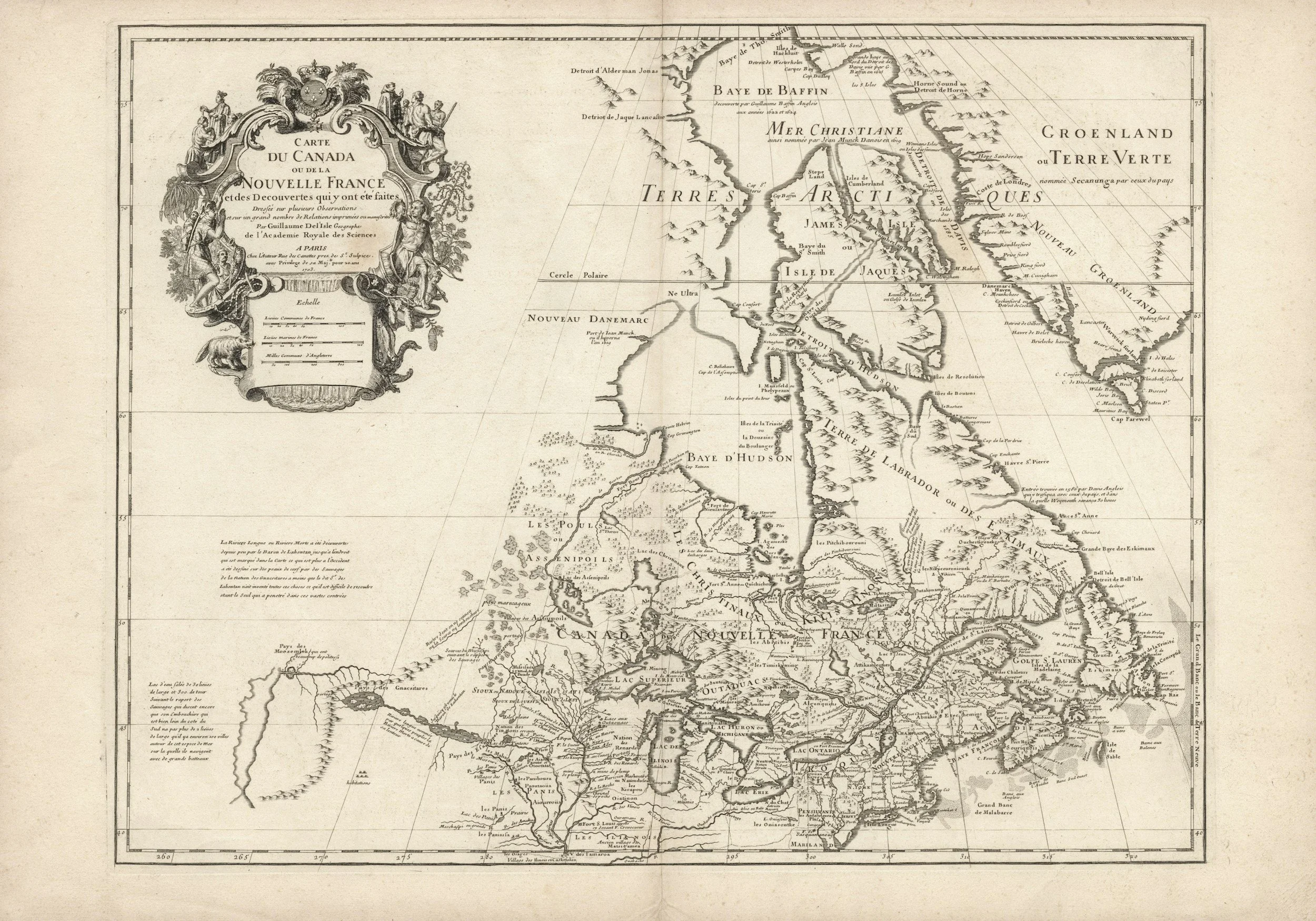
Chapter One Begins with the melting of the Wisconsin Glacier and the formation of the Champlain Sea. It introduces the Algonquin Anishinaabe people, and then the French coureurs des bois, colonial officers and missionaries. There is a two-part episode on the so-called Beaver-Wars, Mourning Wars, or French-Iroquois War, and culminates with the Fall of Quebec in 1759.
Download the podcast on Apple Podcasts, Spotify, YouTube, or by our RSS Feed.
Episode 1: The Champlain Sea
Before Parliament, before the canal, before the Coureurs des Bois or the Algonquin, there was the land itself. That land emerged out of the sea in the wake of the last ice age. Before the land was land, it was sea, and that sea has affected us in the fossils in the fields, the soil by the riverbanks, and the contours of the topography. You can listen to the podcast below or see some of images and references here. Release date 27 October, 2025.

Episode 2: The Algonquin
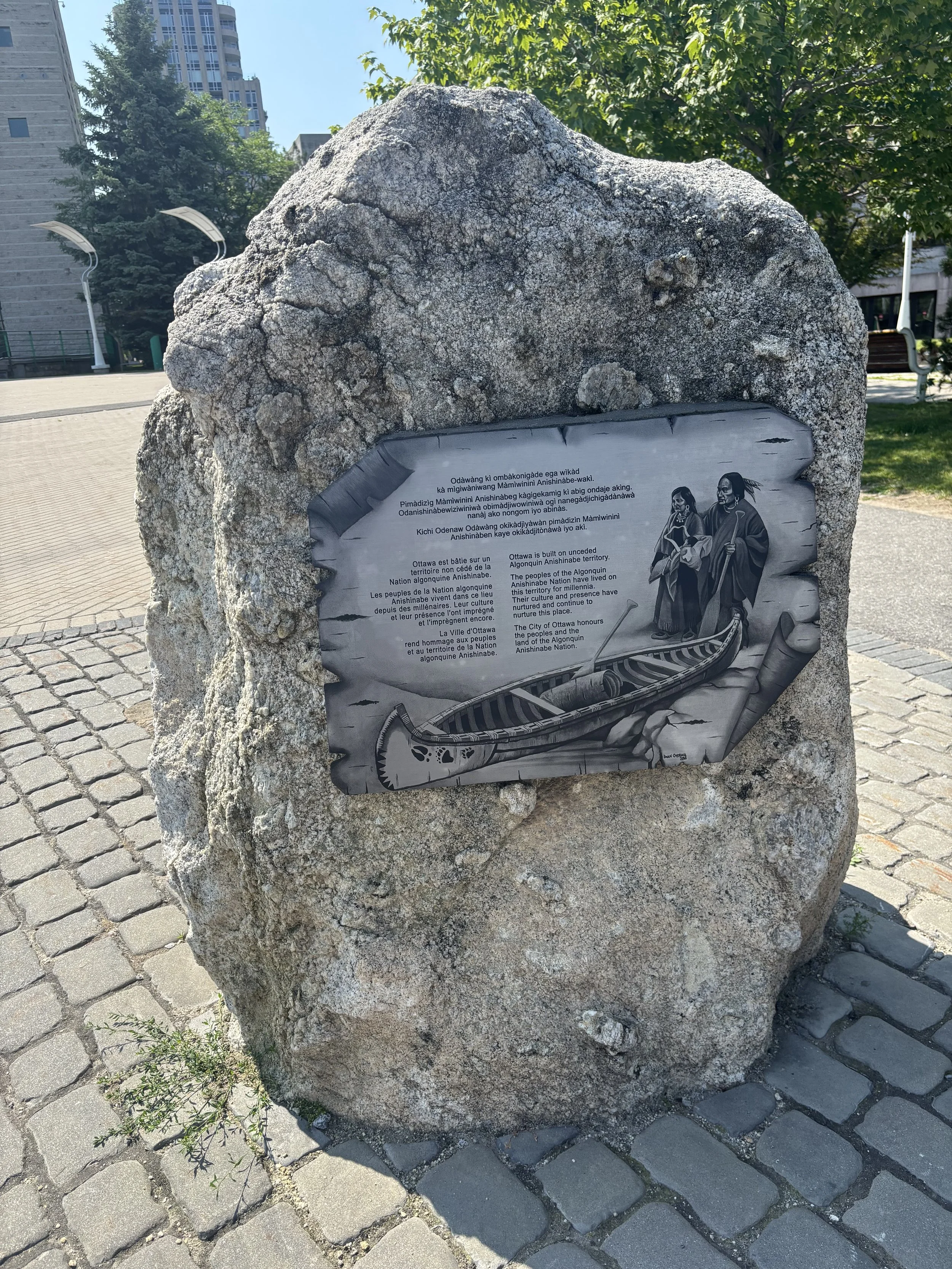
The Algonquin are a nation indigenous to eastern Ontario and south-west Quebec. They are a part of the Anishinaabe group of nations that live around the Great Lakes and the St. Laurence system, and have done so for thousands of years. Algonquin peoples lived in settlements along the Ottawa River basin, on both sides of the Quebec/Ontario border. They were among the first to be in contact with the French when Cartier first visited the St. Laurence in 1535. For some images and references, click here.
Episode 3: Étienne Brûlé
Étienne Brûlé was the first European to travel up the Ottawa River and see the site that would one day become Ottawa. A coureur des bois, he had one foot in the French colony and one among the Wendat and other Indigenous nations. An adventurer, diplomat, translator, and explorer, he was arguably the first French colonist to live a life in what would become Canada. For sources for this podcast, click here.
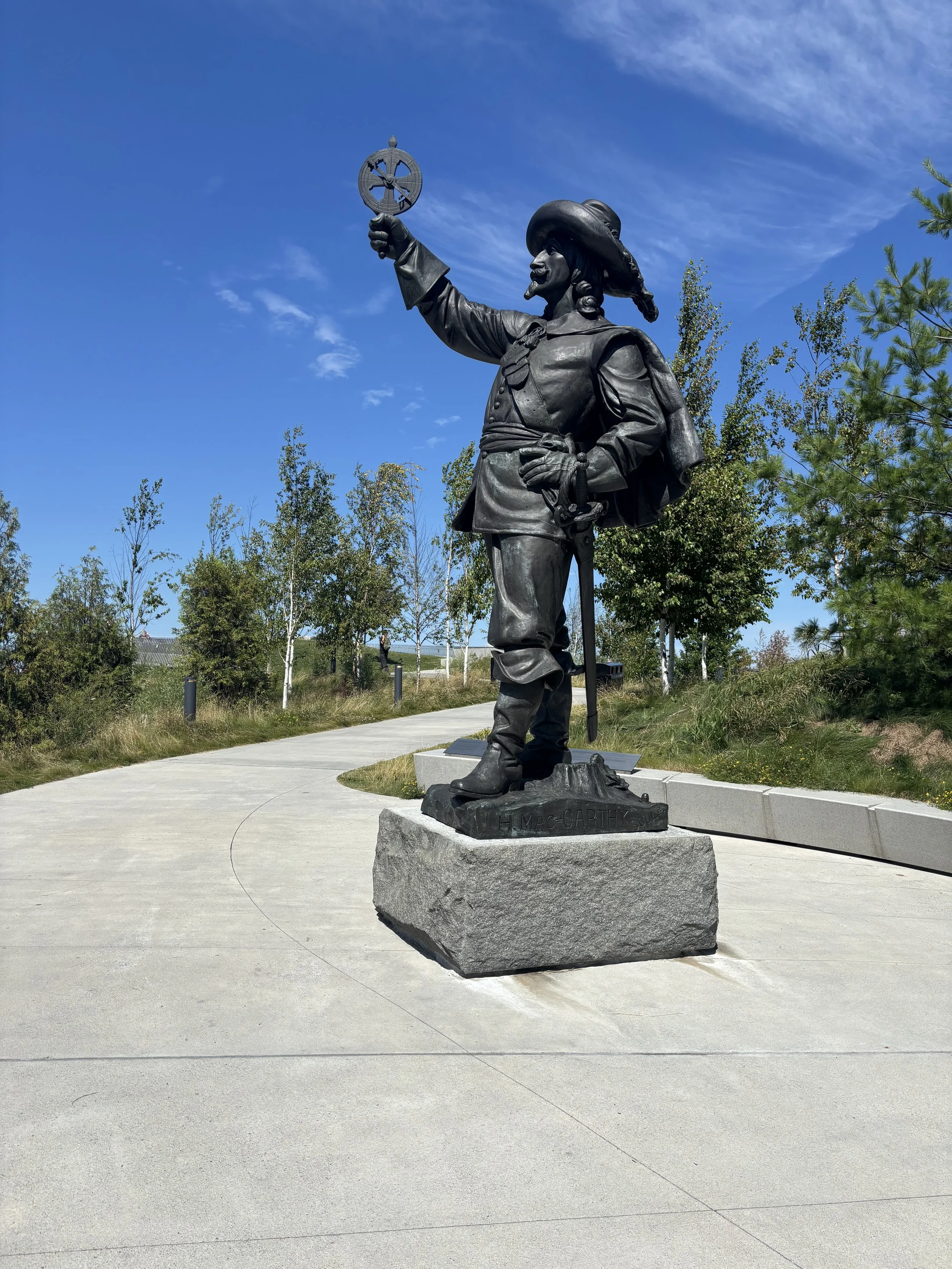
Episode 4: Samuel de Champlain
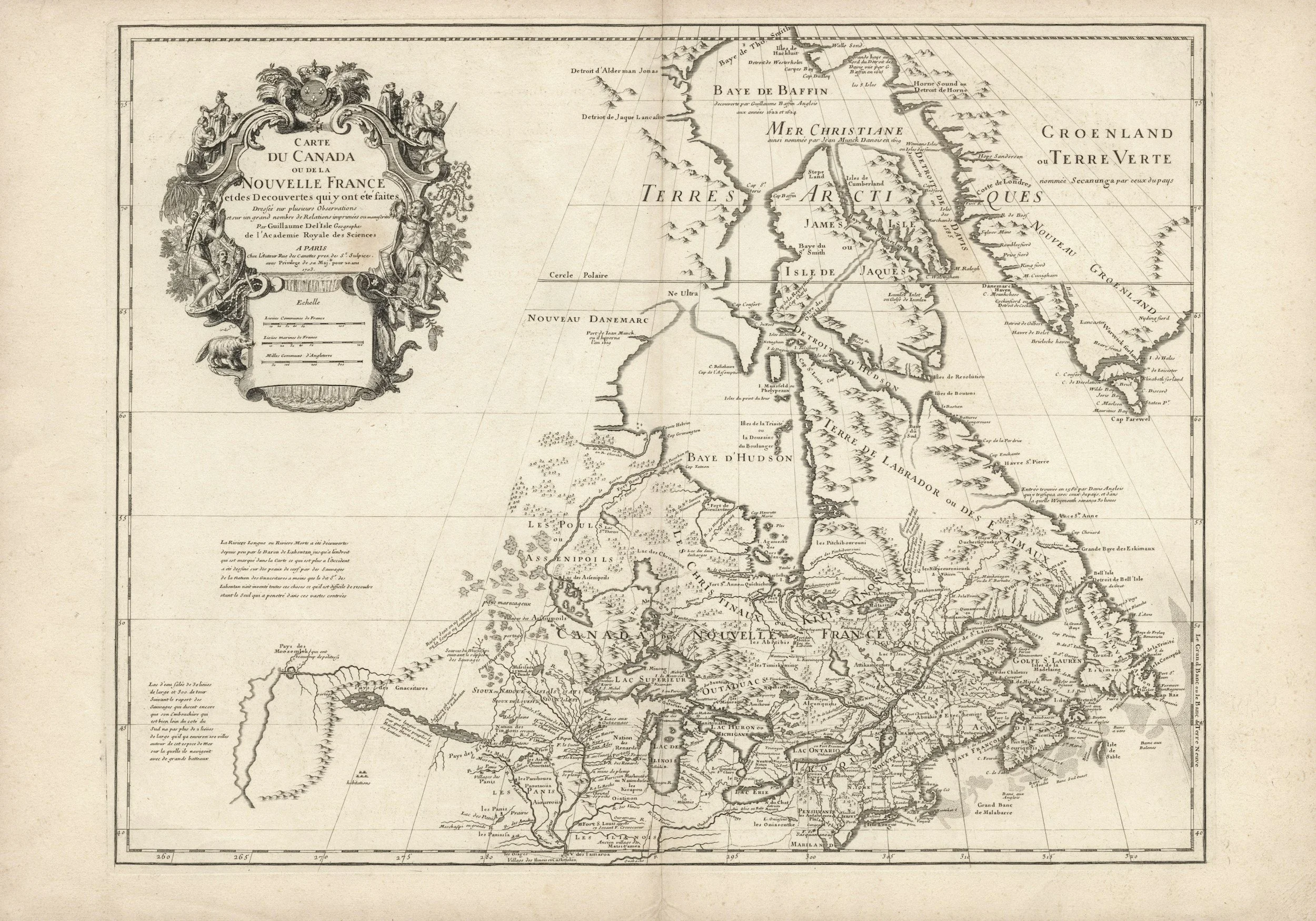
Samuel de Champlain may not have held the official post of governor of New France, but he took on that role in all but name. He was also among the first French explorers to navigate the Ottawa River and meet up with Étienne Brûlé in Georgian Bay. He was an explorer and cartographer, military and civilian leader, writer and politician. It was he who named many of the features of the Ottawa area, and many features were later named after him. Learn more about him and by clicking here.
Episode 5: The Recollects
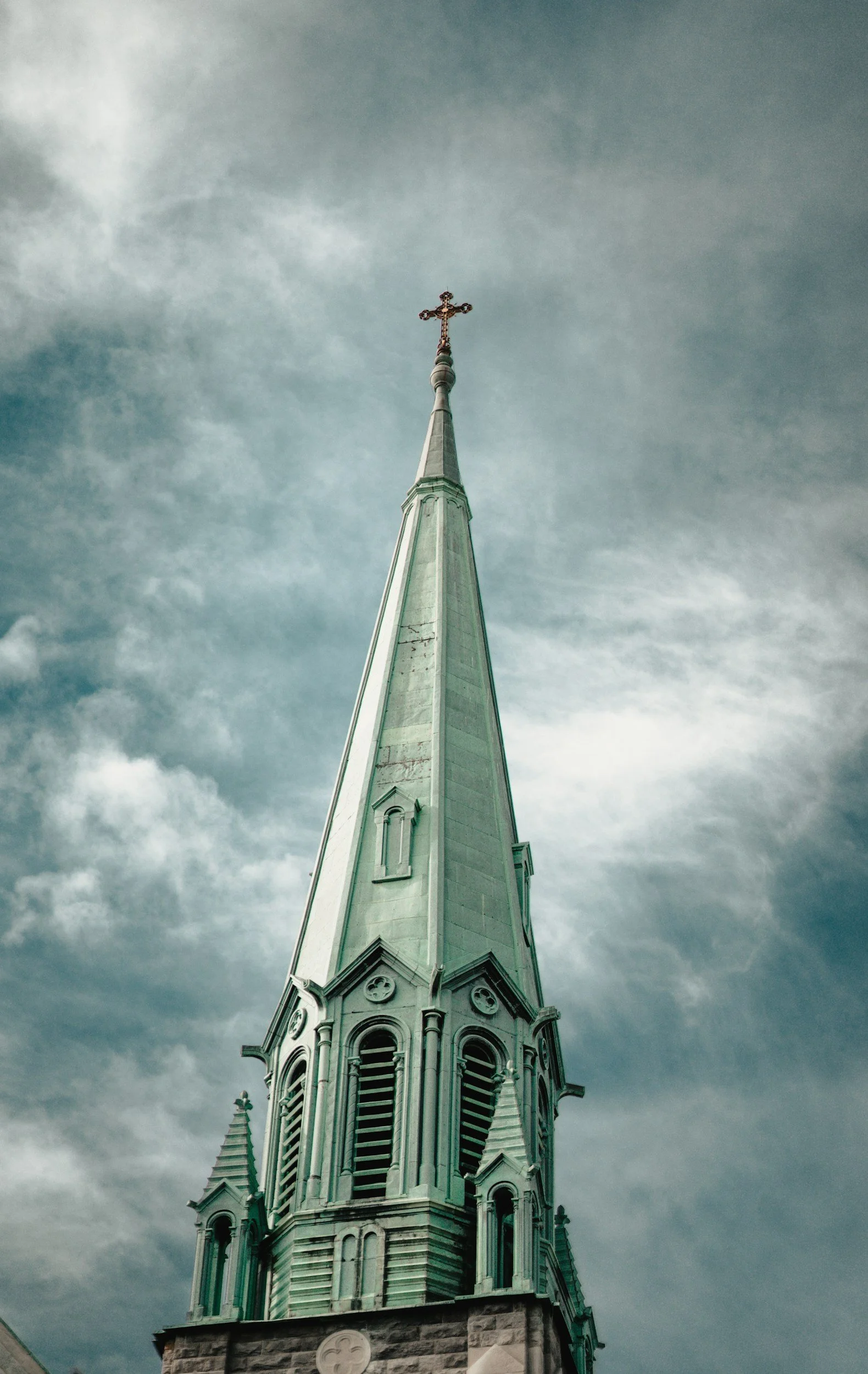
Alongside the Coureurs de Bois, the merchants and artisans of the colony, and the soldiers, missionaries were another important pillar of New France. Recollect Missionaries accompanied many traders and explorers, and they recorded much of what they witnessed, leaving some of the best eye-witness accounts of life in the period. Learn more about them here.
Episode 6: Beaver Wars
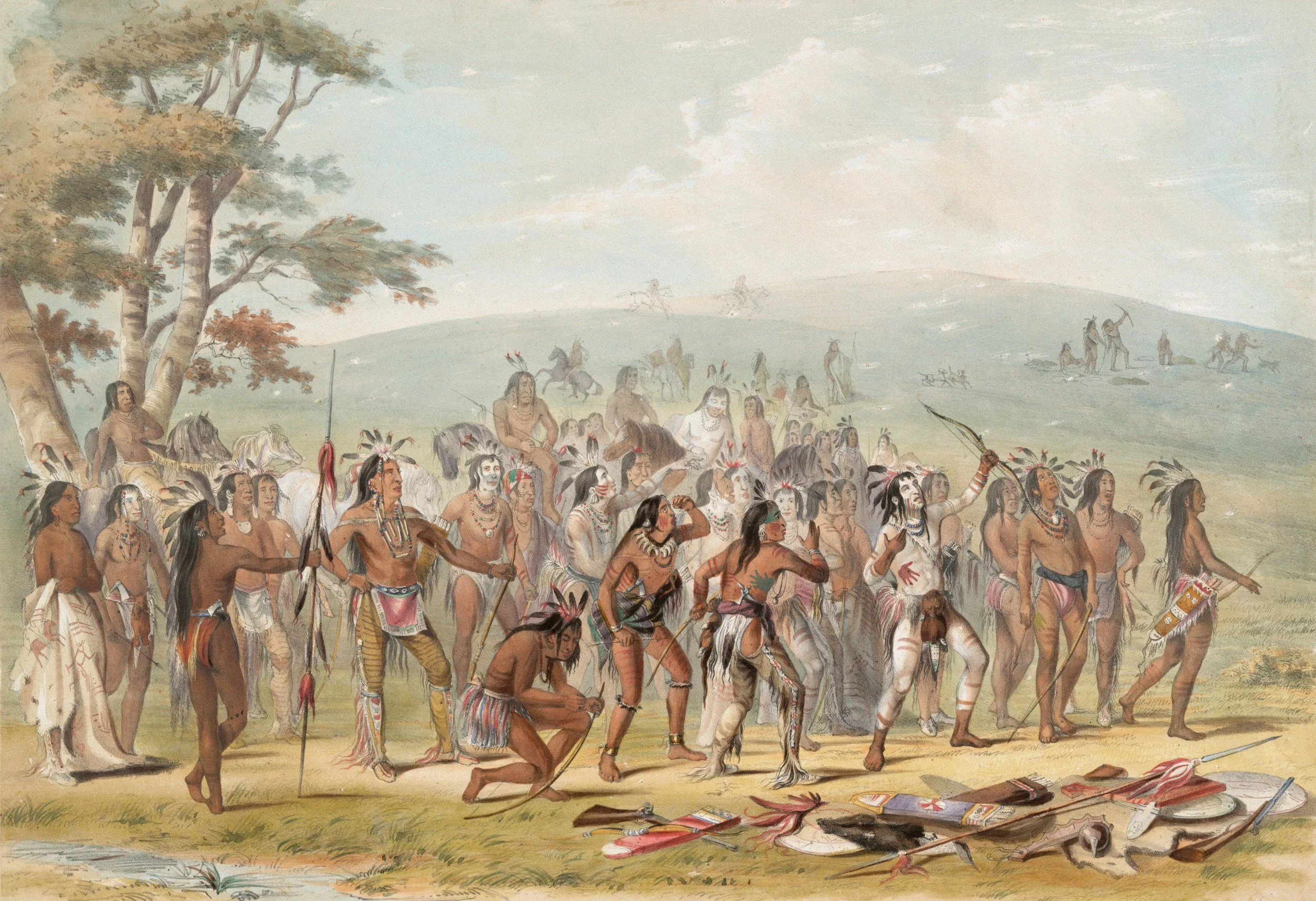
For most of the 17th Century, the fur trade was dominated by conflict between a network of Iroquois and Anishinaabe peoples across the Great Lakes and New France. These wars were fought for control of the fur trade, access to guns, positional power within the Indigenous political structure, and with the European powers of the day: the French, the English, the Dutch and the Swedes. The balance of power throughout this time is what would set the tone for the 18th Century leading up to 1759. For additional references, see here.
Episode 8: The End of New France
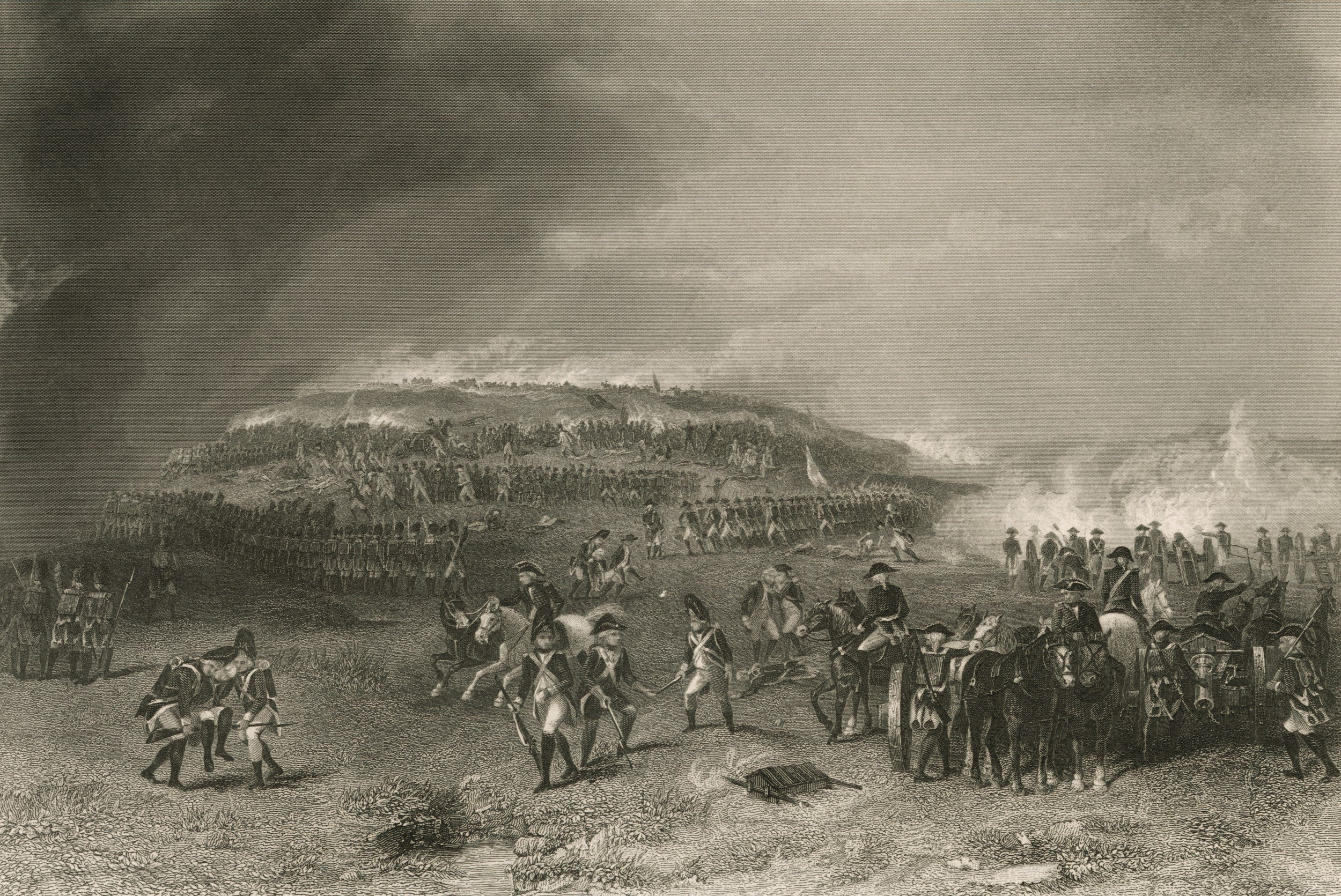
All good things come to an end, and this story is full of moving parts. This is the last episode where France exerts political power in our region, ending the first chapter. After this point, the French will exist as a domestic population, without the support of a foreign great power. This struggle involved the Great Powers of France and the Britain, but also included numerous Indigenous allies, still demographically struggling to rebuild after the broad destruction perpetrated during the Beaver Wars.