Chapter 2: The English Colonial Period and Bytown (1759-1855)
Introduction to Season 2
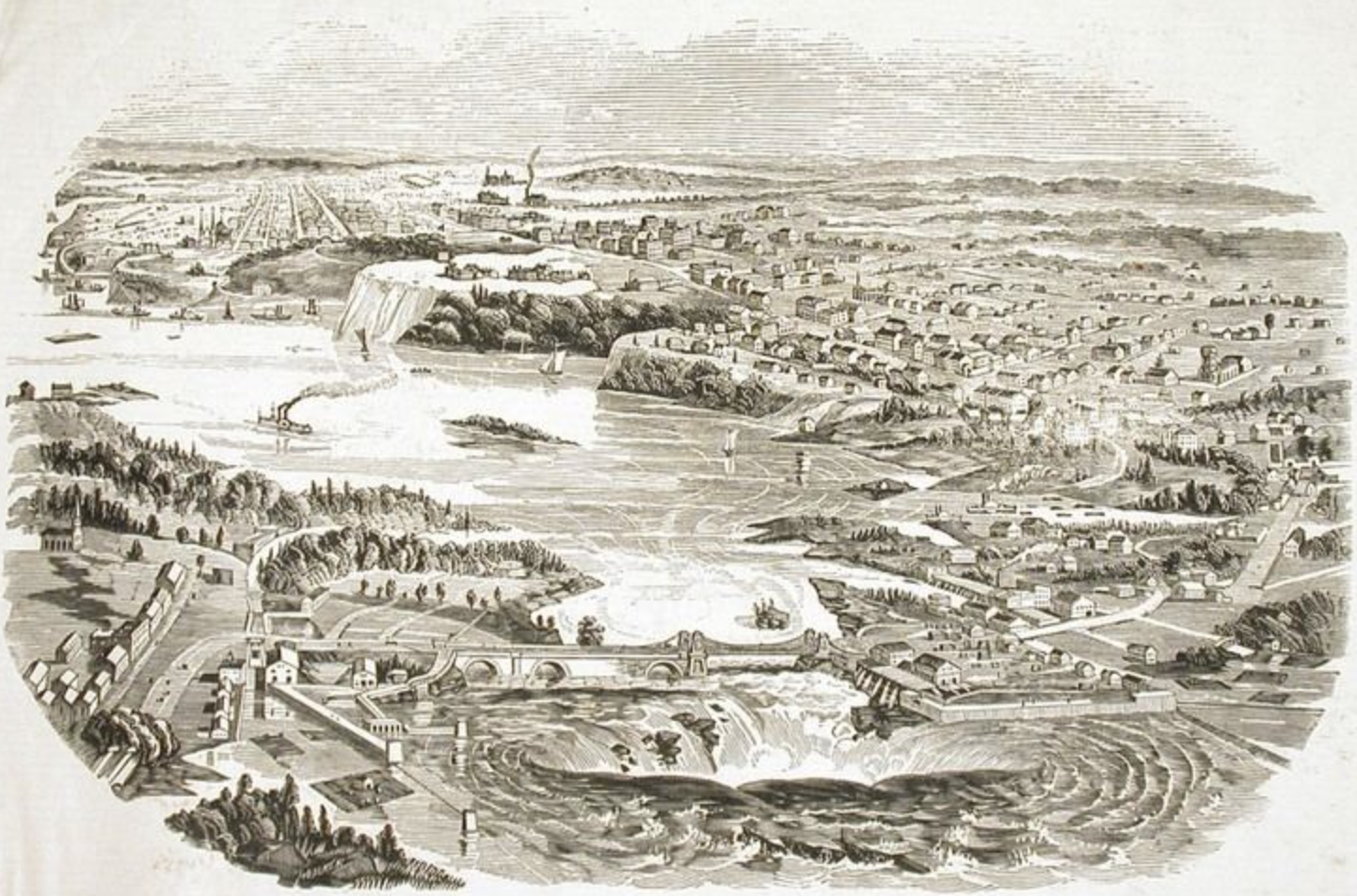
The second chapter of the history of Ottawa begins with the Fall of New France to the English in 1759 and continues until City of Ottawa is proclaimed on 1 January 1855. During that time, the United States became an independent nation and tried twice to invade what’s now Canada. English settlers moved into the Ottawa Valley, constructed the Rideau Canal, created a series of settlements, particularly Bytown and Hull, experienced intercommunal discord between English, French, Indigenous, Catholic, and Protestant, built city infrastructure, including a railroad and incorporated as a city three times in five years.
Download the podcast on Apple Podcasts, Spotify, YouTube, or by our RSS Feed.
Episode 1: Indigenous Relations
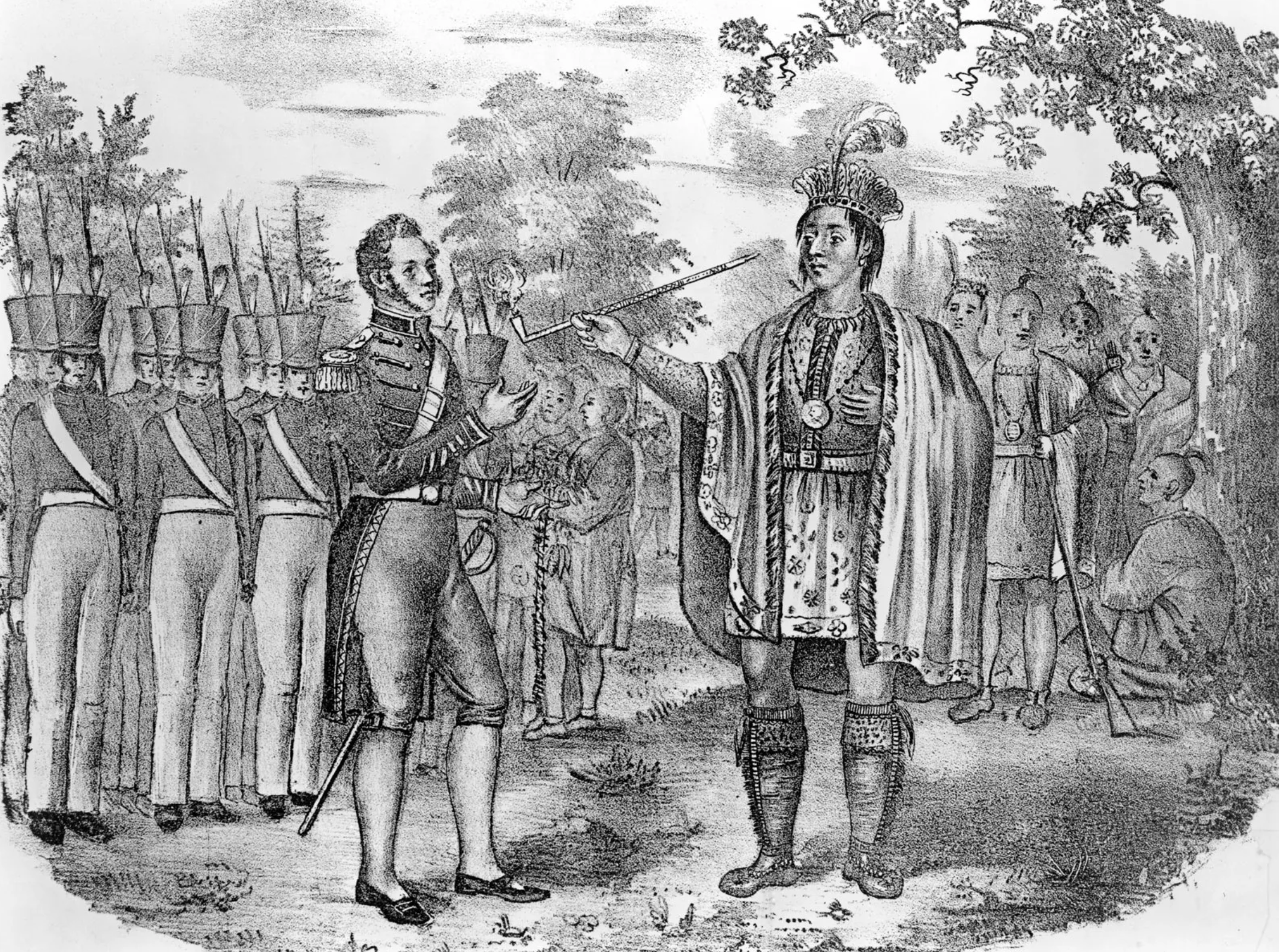
As the French withdraw from North America and Nouvelle France fades into memory, the English assert their new role as the preeminent European power and face resistance from various Iroquois and Anishinaabe peoples. This culminates in Pontiac’s War and the separate peace signed by the different nations of the Indigenous alliance. For references, look here.
Episode 2: The Quebec Act
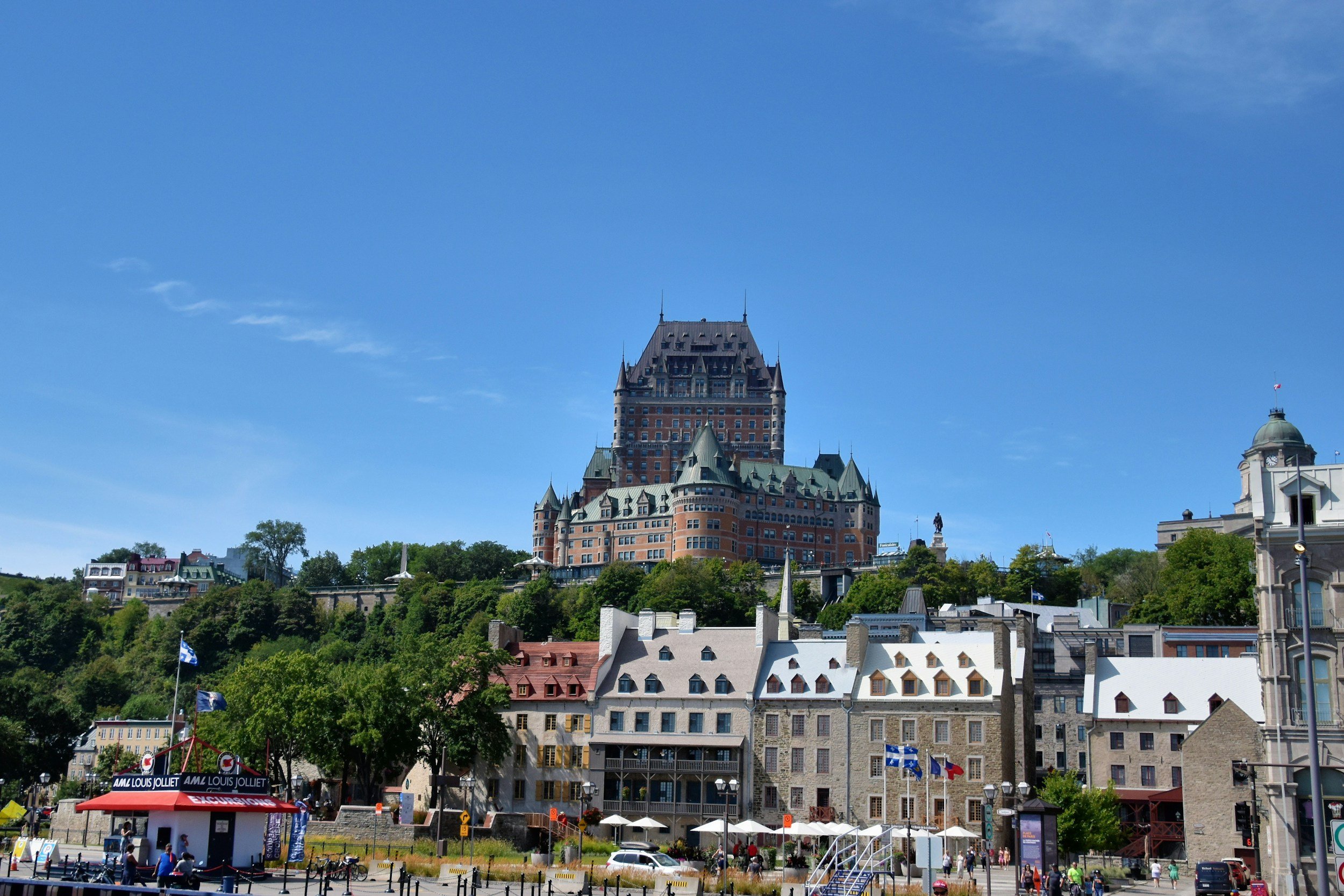
Cited as one of the so-called “Intolerable Acts” that justified the American Declaration of Independence, this act was intended to create a balanced compromised between the French population and the English ascendancy in the former French colony. While it empowered certain aspects of Quebec society, it also limited participation in the government by propertied citizens, creating a centralized and enlarged province, without the democratic guarantees that normally existed in British colonies. For a reading list, check here.
Episode 3: The Revolution Next Door
Several colonies of the future United States of America rebel against the Crown, attempting to create an independent nation. While some colonies rebel, others do not, and the Continental Congress attempts to spread revolution into all British colonies in North America, by invading Quebec. For references, see here.
Episode 4: The Loyalists Come North
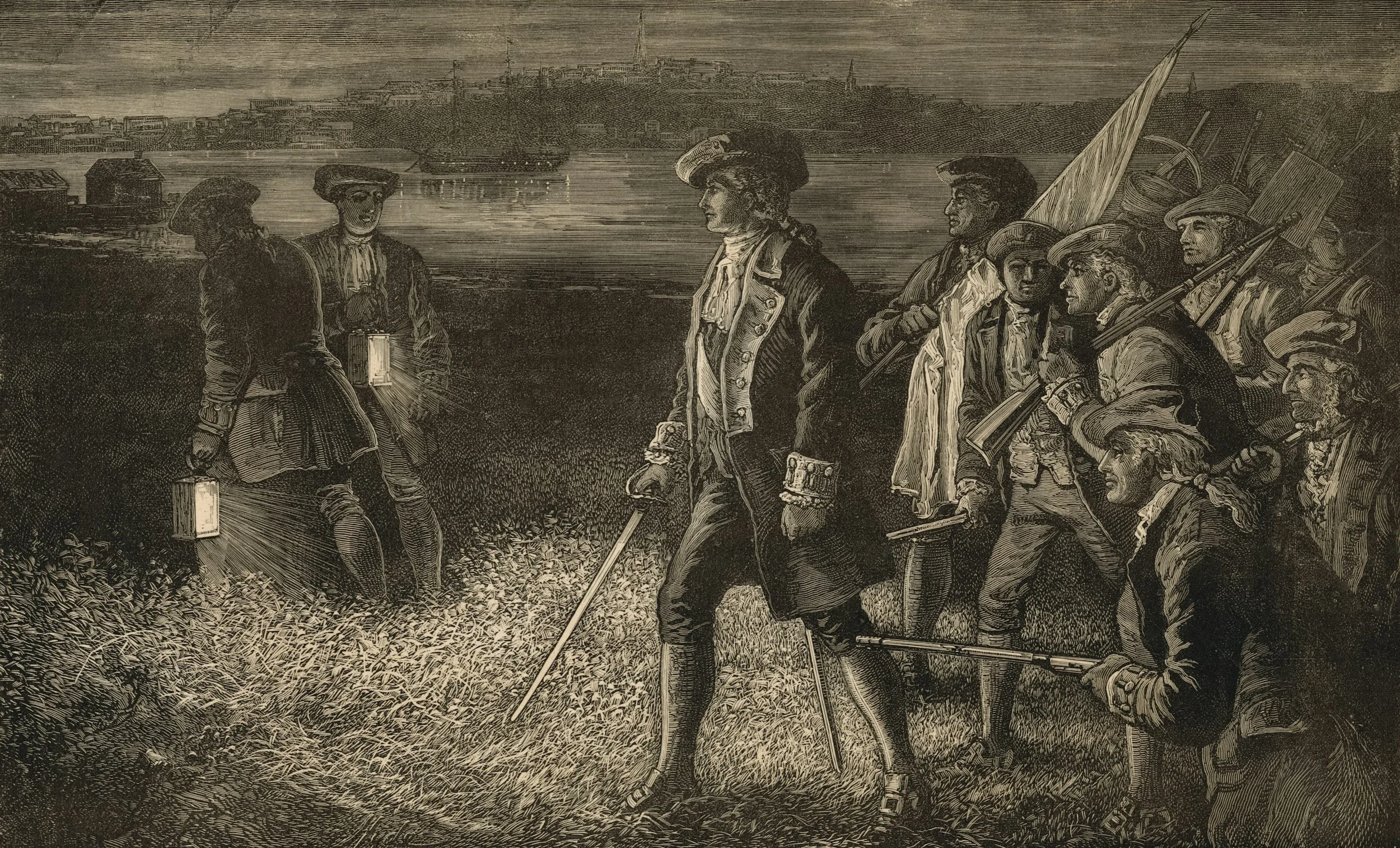
Loyalist settlements and land grants extend from their base on the Saint Laurence and Lake Ontario, up the Cataraqui and Rideau Rivers, in the direction of Ottawa. This movement created a long series communities along the Rideau Waterway, many of which still stand today. The first settlers enter the Ottawa area. For more reading, click here.
Episode 5: The Loyalists Approach Ottawa
Loyalist settlements and land grants extend from their base on the Saint Laurence and Lake Ontario, up the Cataraqui and Rideau Rivers, in the direction of Ottawa. This movement created a long series communities along the Rideau Waterway, many of which still stand today. The first settlers enter the Ottawa area. For more reading, click here.
Episode 6: Upper Canada
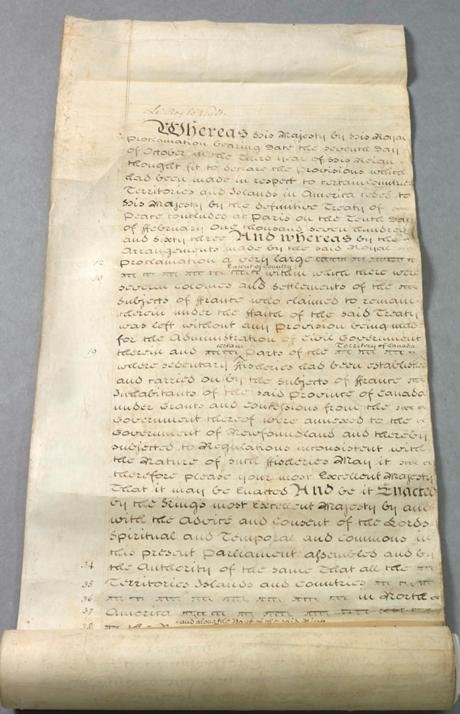
The Constitutional Act of 1791 divided Canada into Upper and Lower Canada. This was to be especially important for the Ottawa Valley, as the north shore would be administered by one political system, and the south by another. This meant that the two provinces would also have different populations with different forms of local governance, with Lower Canada continuing the old seigneurial system, and Upper Canada adopting a township-based system of development. For references, click here.
Episode 7: From the Outside In
European settlements continue to approach what would become Ottawa, not only by Ango-Americans from the south, but also a very different system of land-tenure and settlement coming up the Ottawa River from Lower Canada. This would create a hybrid series of settlements along the Ottawa Valley, the legacy of which can still be seen in in the eastern stretches of the Valley, approaching Montreal. For more information, click here.
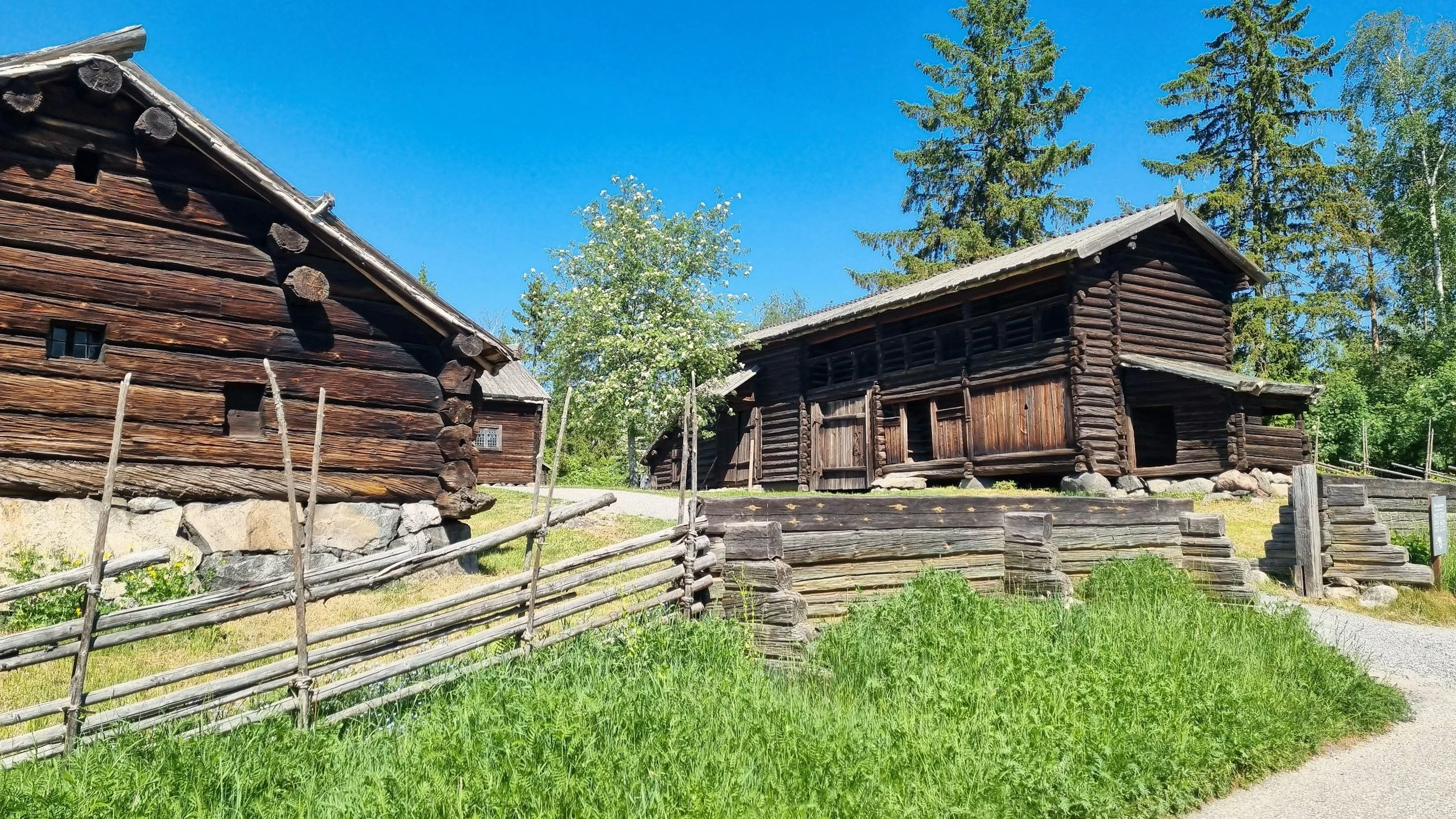
Episode 8: The Squire of Hull
Philemon Wright of Woburn, Massachusetts, moved his family and his household up north to Lower Canada and settled a new canton in what would become Hull Township, then the City of Gatineau. He was more than just another farmer, and set about planning a city and a family empire in the settlement that he named Columbia Falls, but people called Wrightstown. This was the first significant European settlement on the Ottawa River, pre-dating Ottawa by decades. For references, click here.
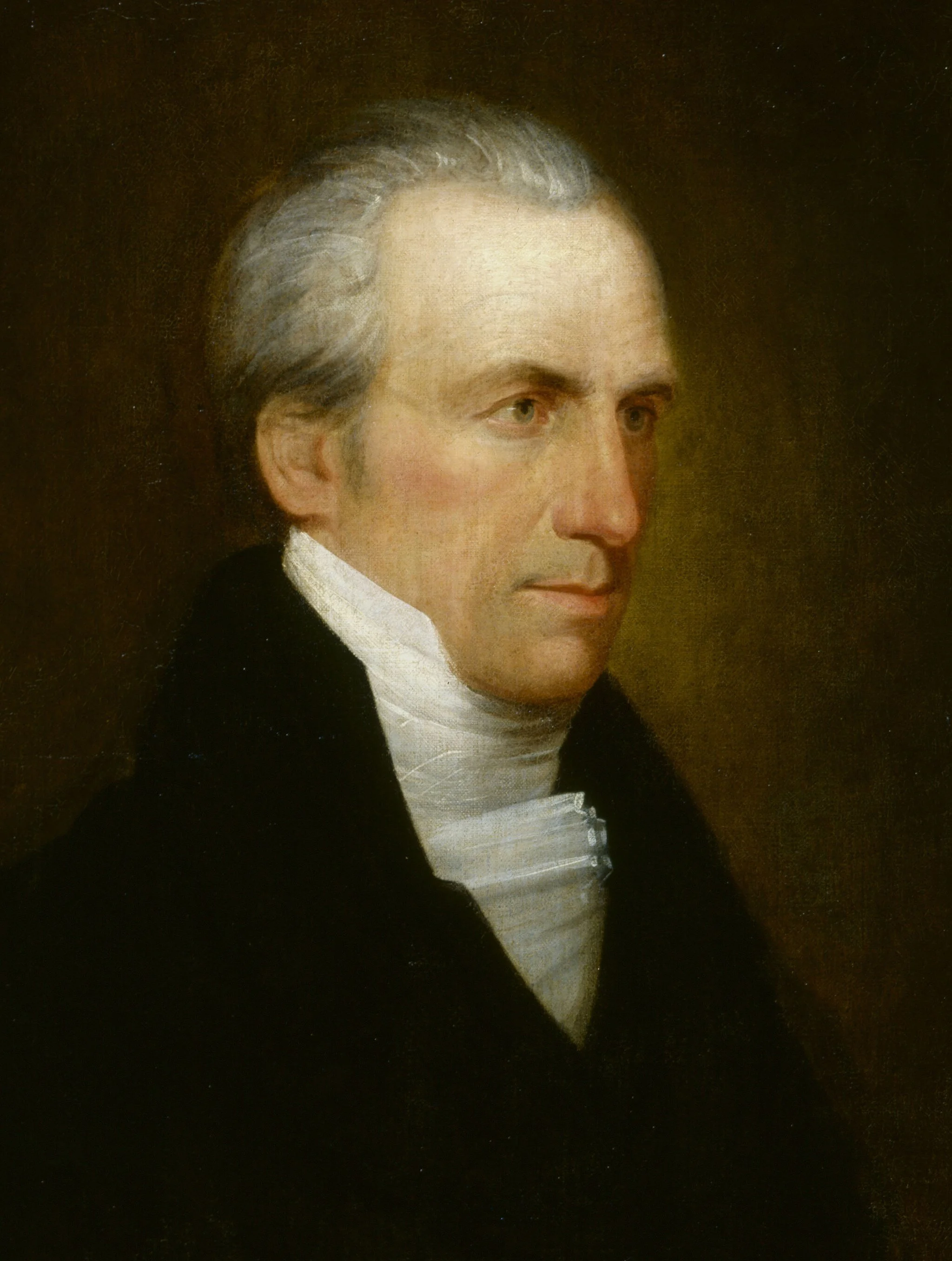
Episodes 9 & 10: The War of 1812
In 1812, the United States and England leapt enthusiastically and unpreparedly into war. The result was a conflict that solidified the relationship between the two powers, with the future Canada also becoming a normalized polity in the Americans. For further reading, click here.
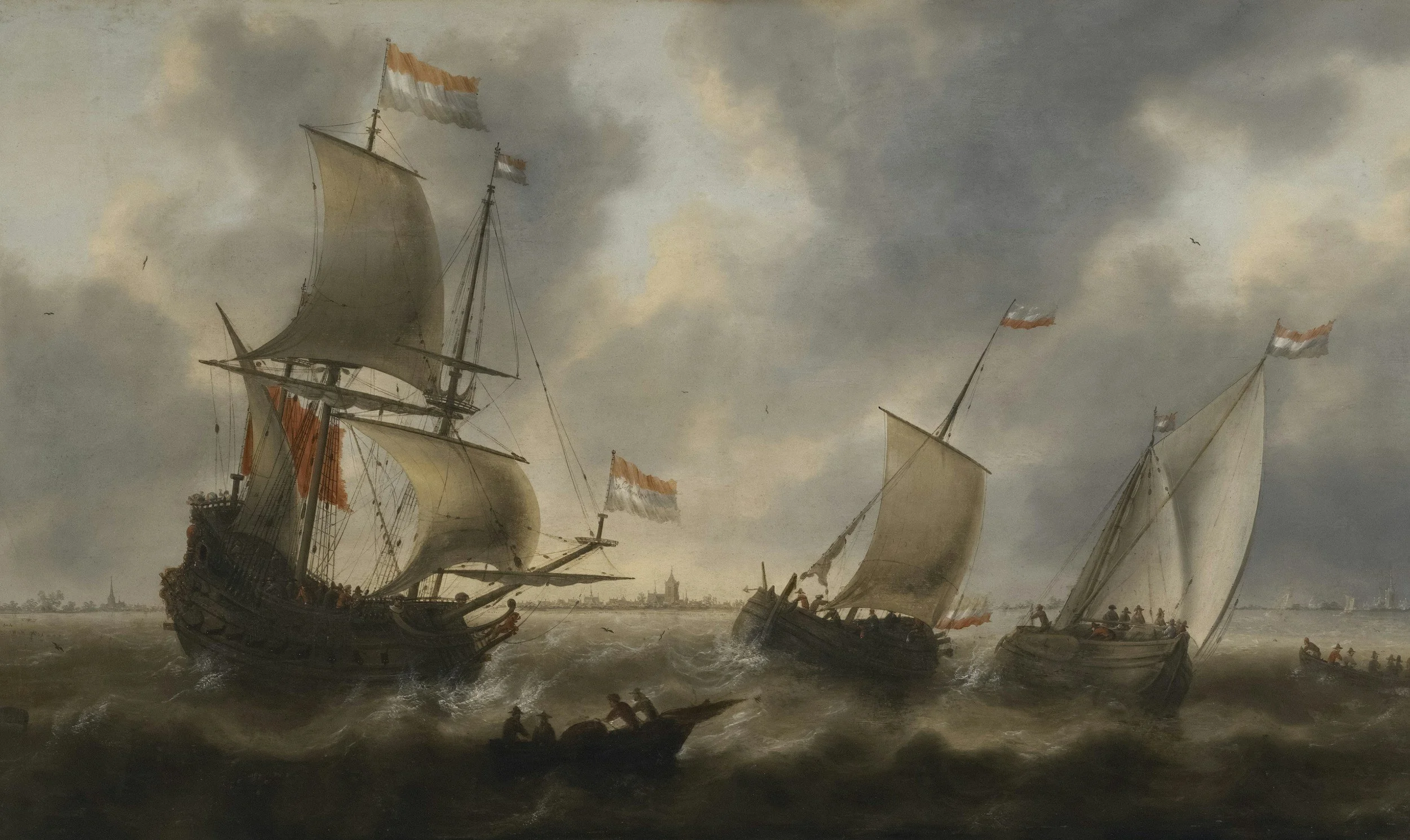
Episode 11: John By
John By was born in London and spent his life building and repairing canals and fortresses. The feather in his cap of his career was to be the strategic Rideau Canal, one of the empire’s largest civil engineering projects at the time. He had a life with its fair share of tragedies and glories, but he was to end his career in disgrace and isolation, despite the redemption of his name in the city that he helped to found. See further reading here.
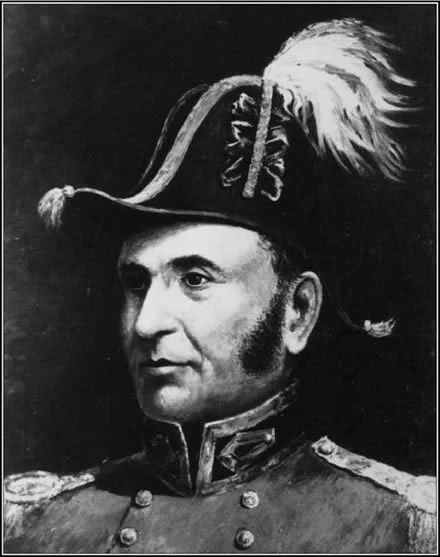
Episode 12: The Rideau Canal
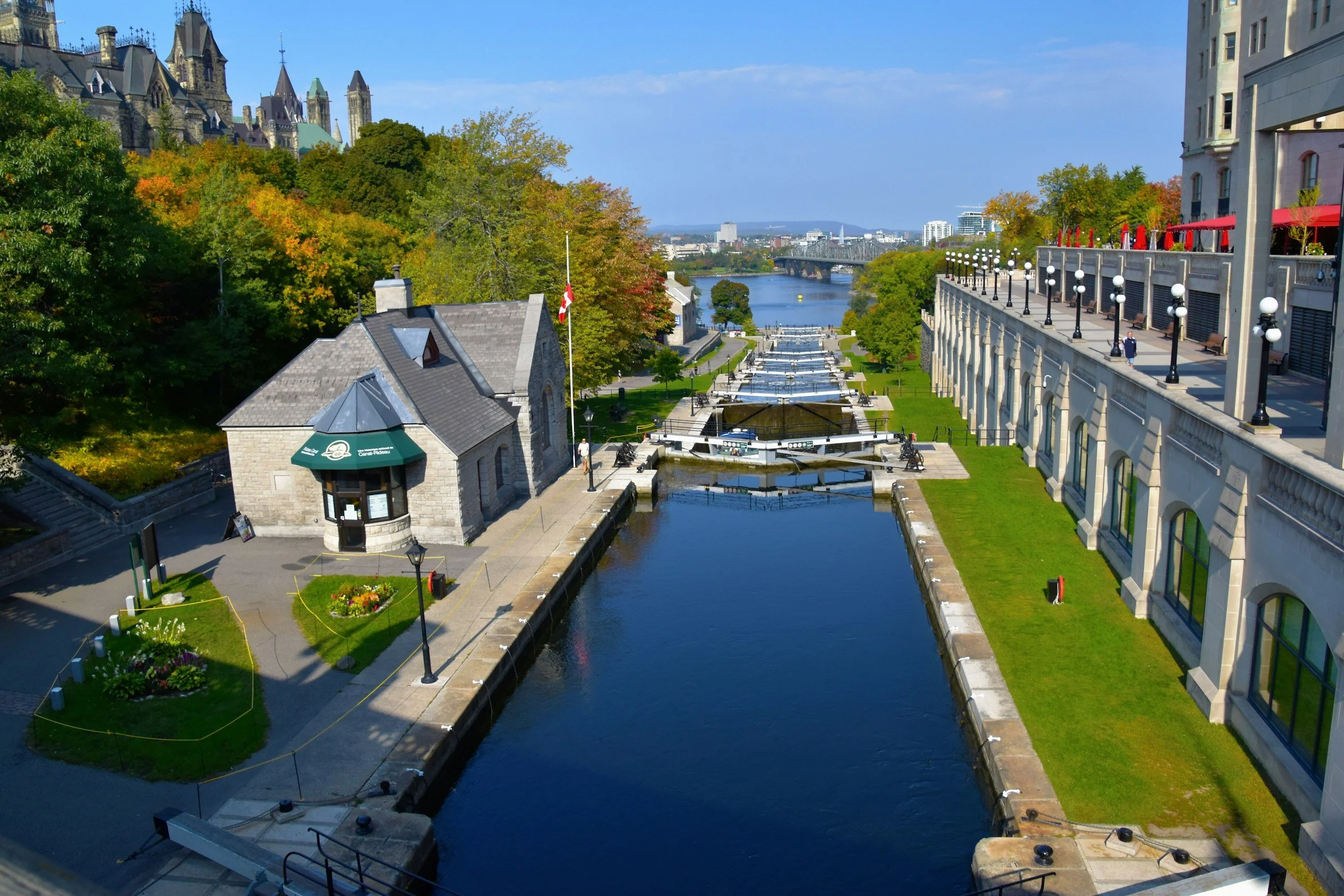
The Rideau Waterway runs more than 200 kms from Lake Ontario to the Ottawa River, bypassing the Saint Laurence River, and allowing the British to access the Great Lakes without the dangers posed by the River’s chokepoint. This UNESCO site contains 47 locks at 24 stations, and was a marvel of the age. Learn more about it here.
Episode 13: The Rideau Purchase
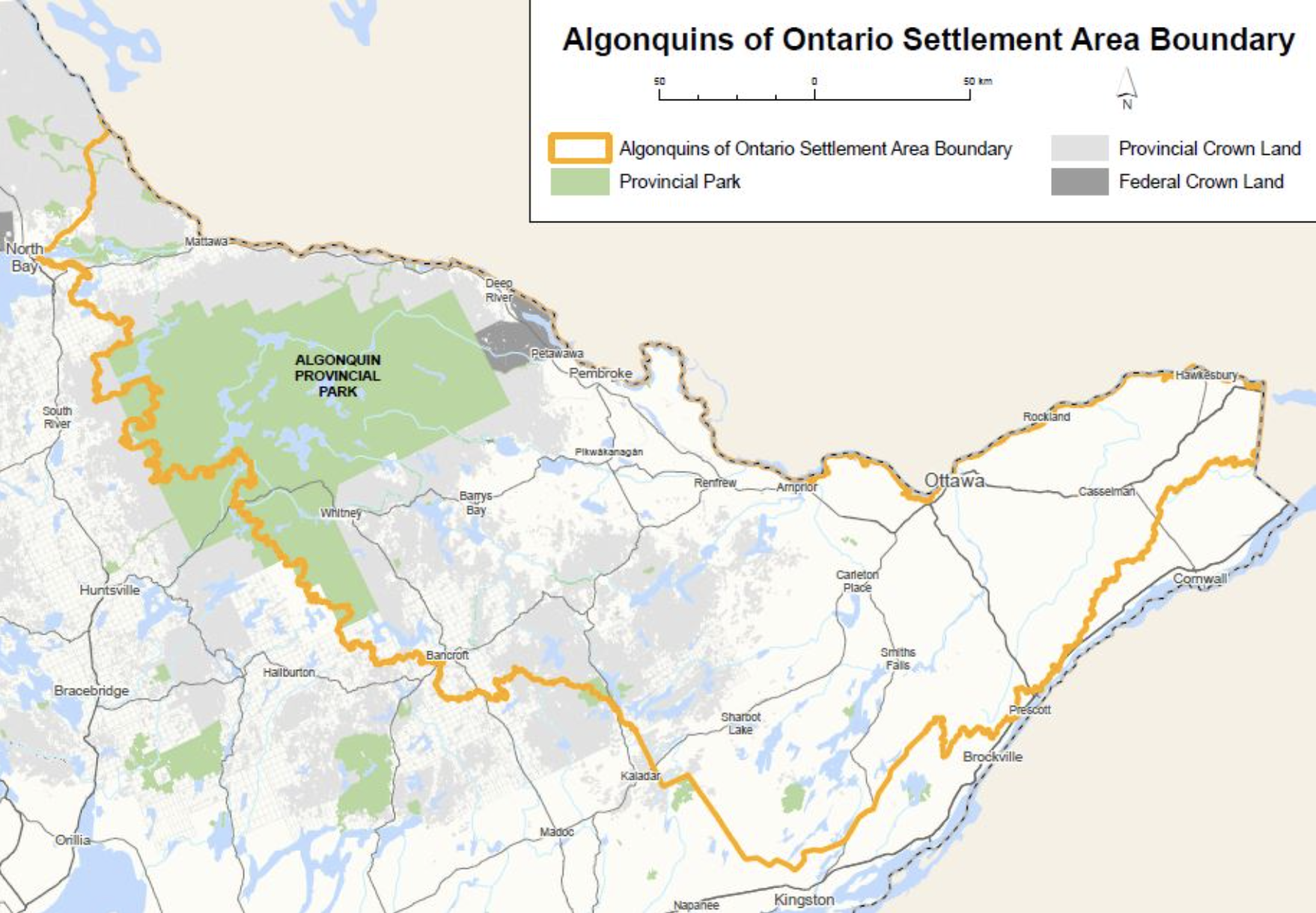
The land of the Rideau River and the Ottawa once belonged exclusively to the Algonquin, though several other Anishinaabe traders would travel through the area as well. The two treaties that made up the Rideau Purchase created the current land tenureship of the Ottawa area. For more details about the two treaties that governed the Rideau Purchase, click here.
Episode 14: The Rocky Road to Kingston
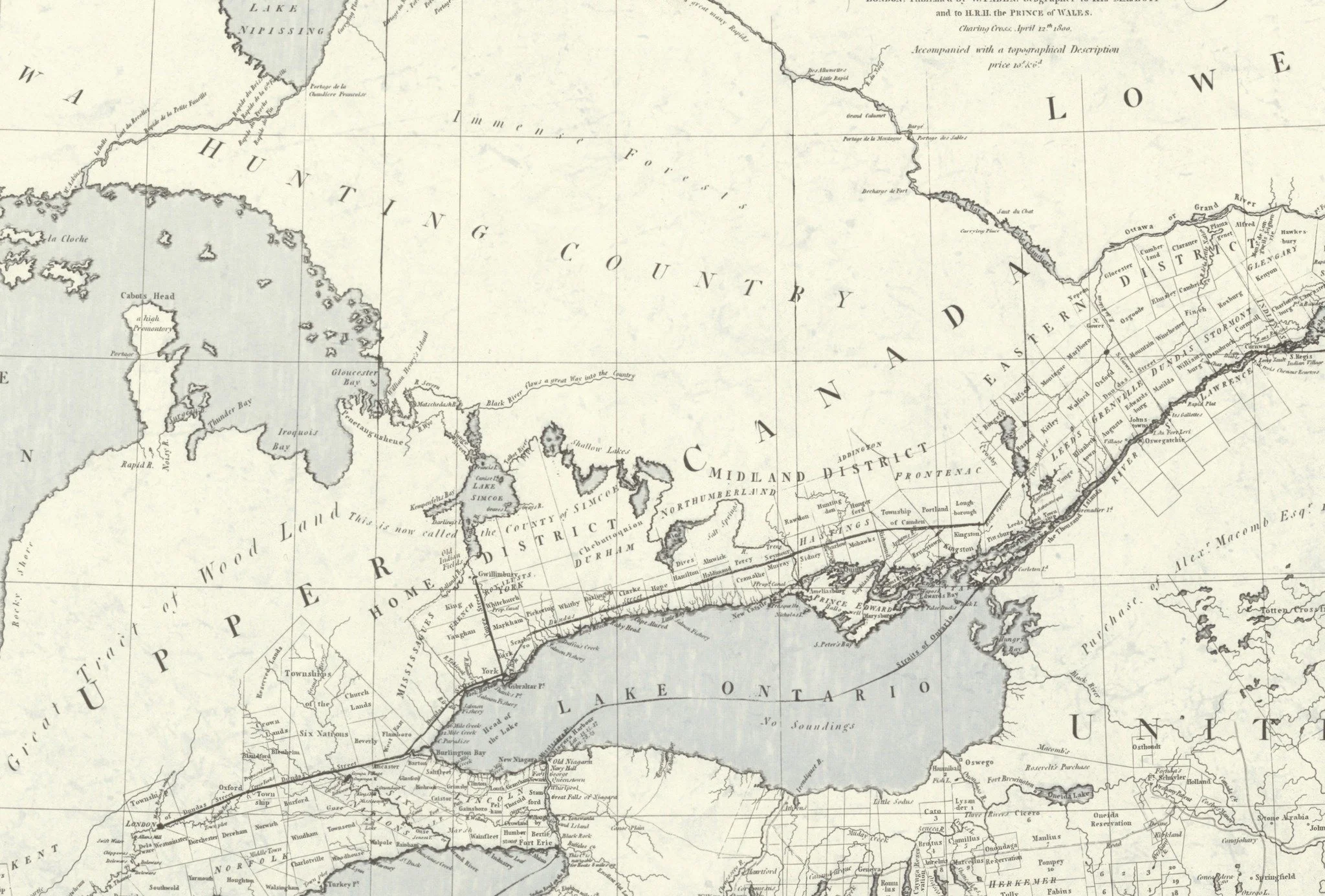
In this episode, we read through the diary of a traveller as he wends his way through the Rideau Valley towards Kingston and back in February of 1830. We look at what he experienced along the way. The authors commentary about Loyalists and Yankees, wilderness and agriculture is a valuable resource in looking at how the normal person would experience life in the 1830s. References are here, map is courtesy of “Old Ontario Series”.
Episode 15: The Earl of Dalhousie
George Ramsay, the ninth Earl of Dalhousie was a Scottish aristocrat, general, and governor general of Canada. Bytown was founded on his watch, and the first shovels went into the ground on the Rideau Canal and Parliament Hill. His feud with John LeBreton is what sent LeBreton flats onto its trajectory, and that’s why there are so many namesakes of him across Ottawa, as well as the Maritimes and elsewhere in Ontario. For references, click here.

Episode 16: The Timber Town
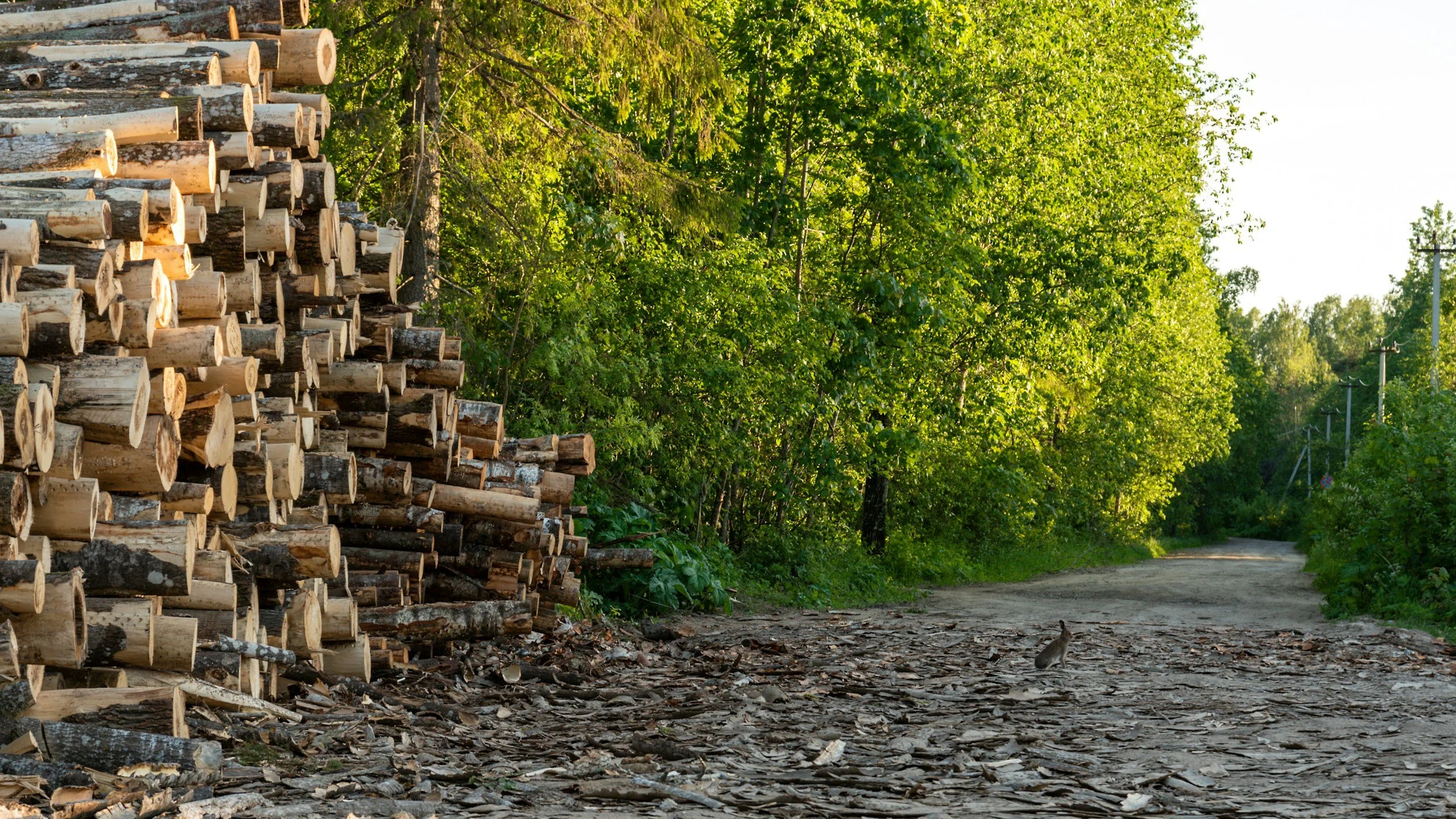
Lumber was the third cash producer of the area that would become Ottawa after the fur trade and agriculture. Fortunes were made and lost with trees, and bringing them to market, especially when the Napoleonic Wars cut off England’s supply from Russia. It seemed like a never-ending source of wealth, as lumber literally grew in trees, but the mechanics of bringing sawn lumber to London was a complicated journey that was to begin in the unregulated wilderness of the Ottawa Valley. For references, see here.
Episode 17: Thomas MacKay
Thomas MacKay was a Scottish mason, industrialist, politician, and founder of New Edinburgh, among other things. He helped to build the Rideau Canal and invested his earnings in transforming Bytown from a work camp into a town. The significance of his legacy rivals that of his old boss, John By. For references, check here.
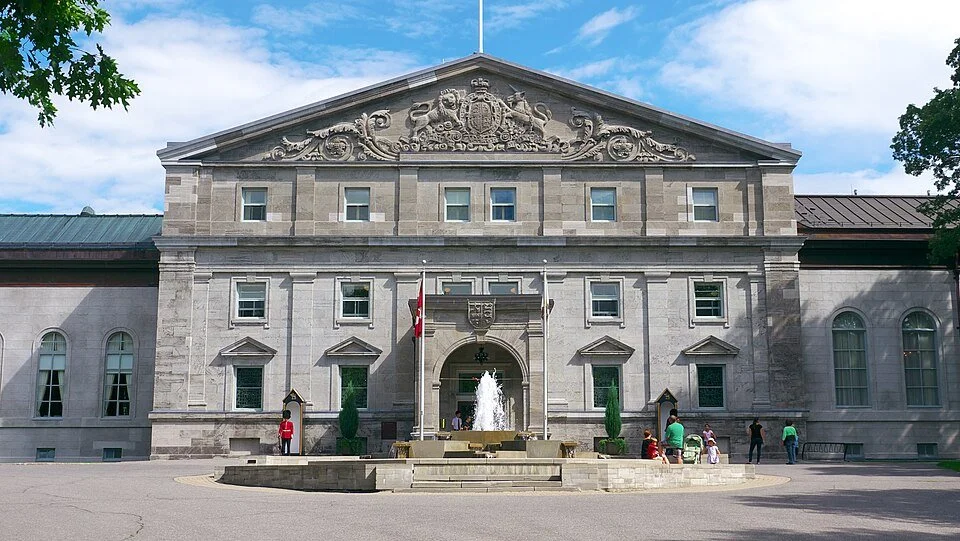
Chapter 18: Bytown 1826-1836
This episode walks through Bytown in its first decade. Starting in Wrightstown, we cross the Union Bridge to Richmond Landing, then into Upper Bytown, the military precinct, Lowertown, New Edinburgh, and Janeville, looking at the early town as it first developed. References here.
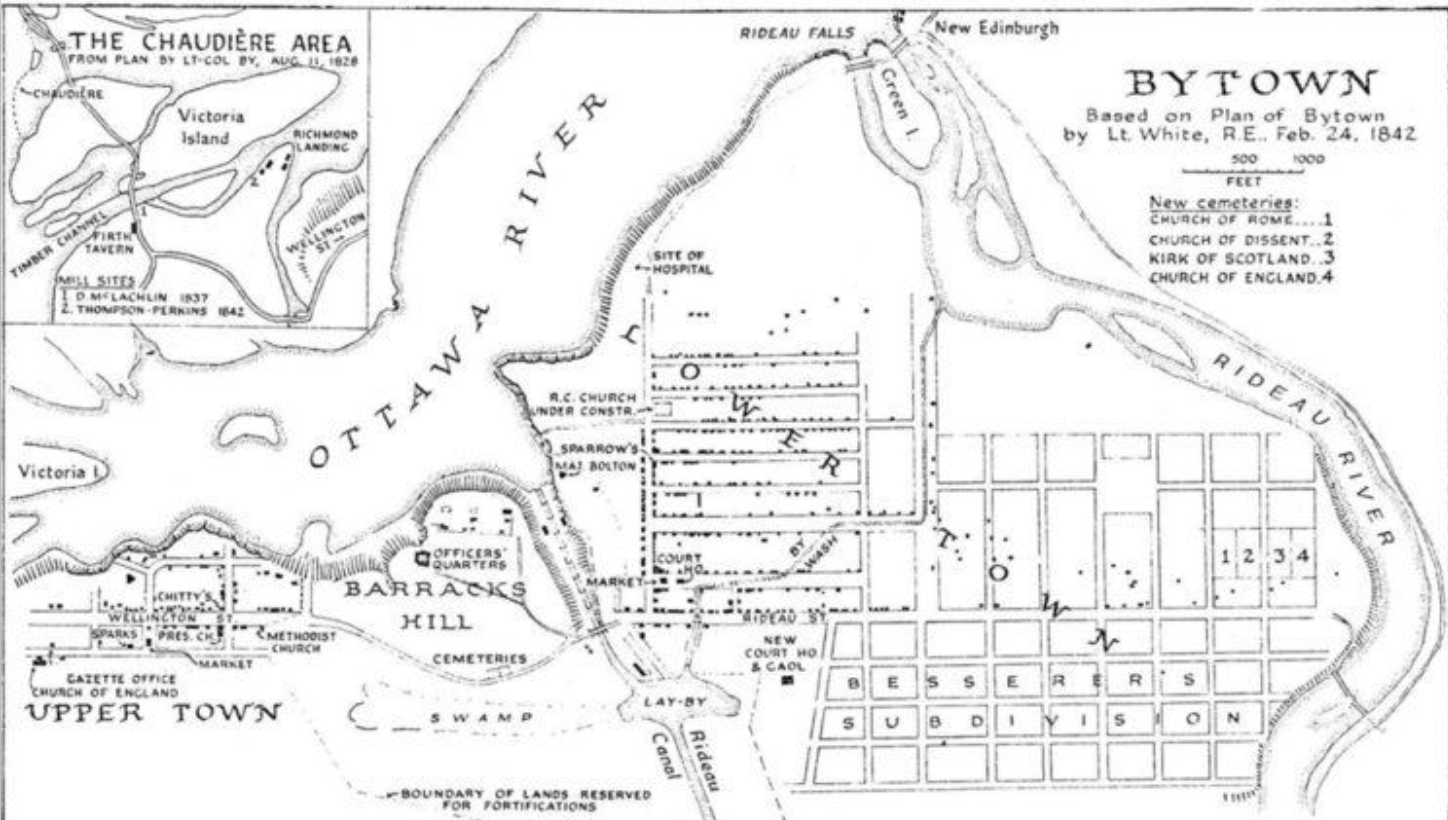
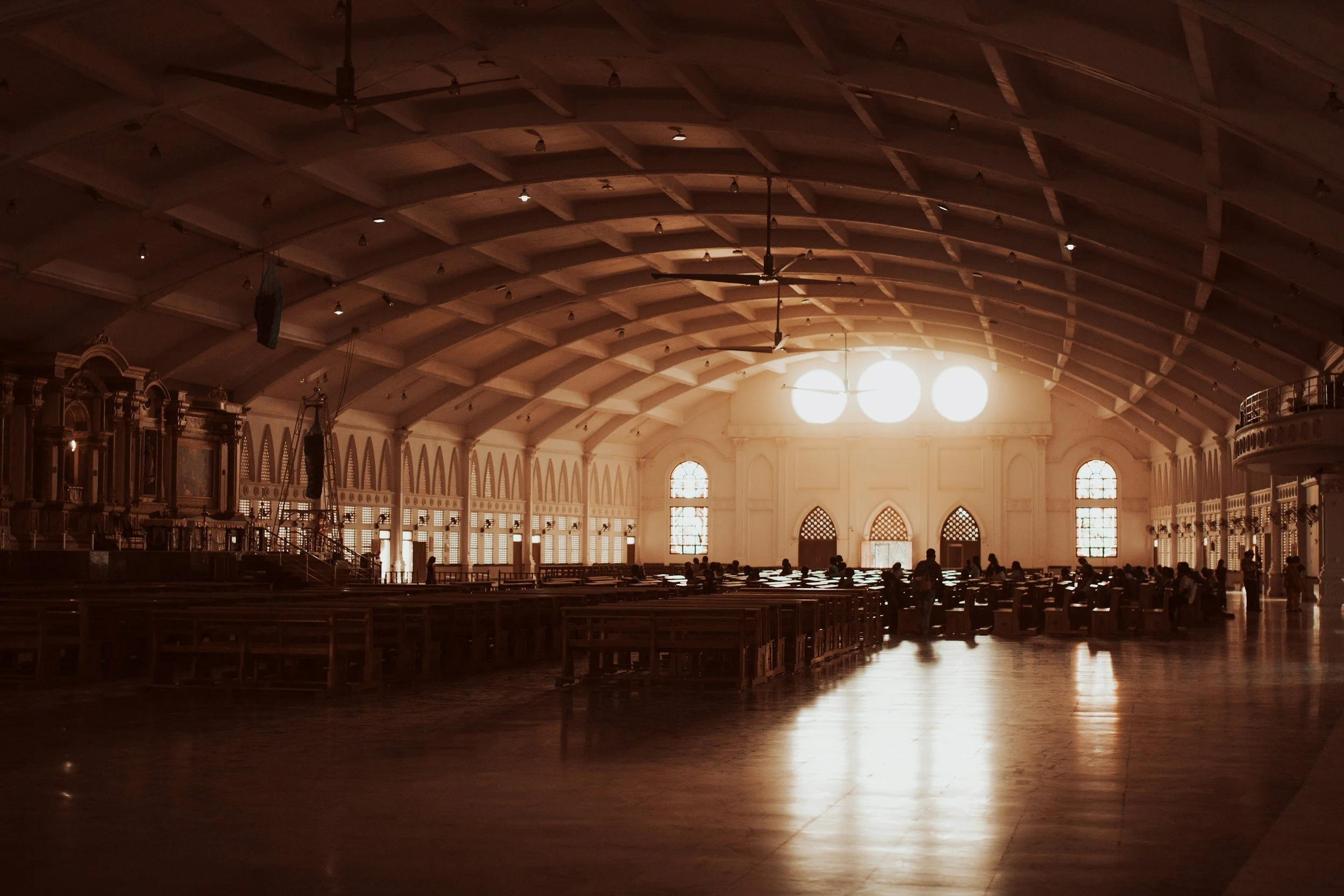
Episode 19: The Religious Mosaic
Religions of the world! Or at least the religions of Bytown! We’ve been using terms like Catholic, Presbyterian, Anglican, Protestant and Methodist so far, and in this episode we break down those terms to discuss what the different religious groups of early Bytown were and how they interacted with one another. To learn more, click here.
Episode 20: The Fur Trade Continues
This episode examines the fur trade’s continued role in the early 19th‑century Ottawa Valley. Though dominated by lumber, the region still relied on furs as a seasonal income source for settlers and Indigenous hunters. After the fall of New France, the Hudson Bay Company held a monopoly, challenged by the North West Company until their forced 1821 merger. Bytown’s rise during the Rideau Canal project created a new hub for independent and Indigenous traders. American traders, bringing cash and alcohol, further weakened HBC influence. By the 1830s–40s, Bytown had become a competitive centre for small‑scale fur trading, sustaining local economic diversity. For more information, see here.
Episode 21: Nicholas Sparks – The Prince of Bytown
Nicholas Sparks was an Irish immigrant who became one of Bytown’s leading citizens. Leveraging connections with the Wrights, Sparks was the richest man in Bytown throughout the early life of the settlement. He married into the Wright family, feuded with John By and the Ordnance department, built political alliances with John A. MacDonald, and created an establishment society for the frontier town on the Ottawa River. For more information, click here.
Episode 22: Keeping Ottawa Safe
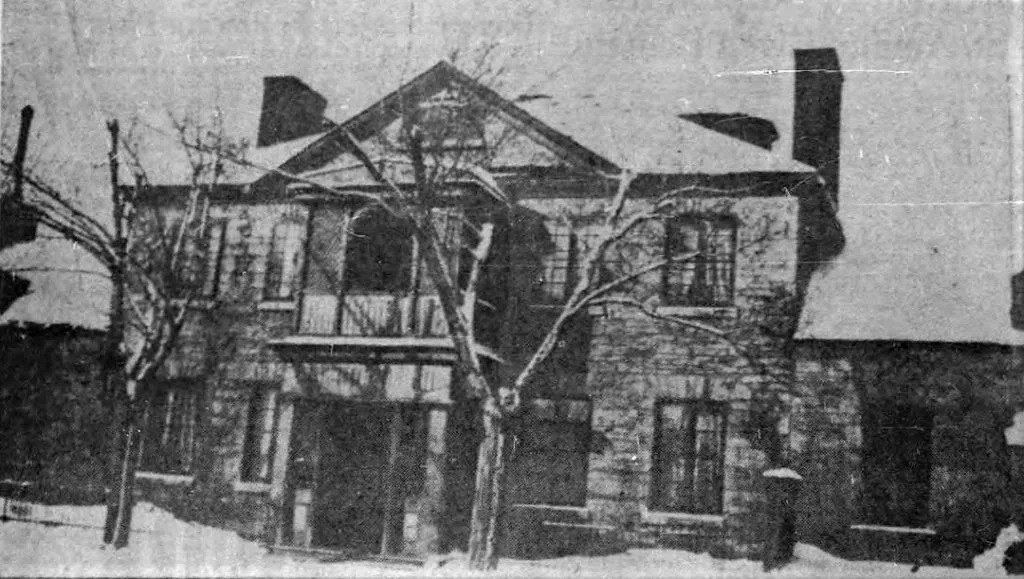
In early Bytown, public safety emerged long before formal civic institutions. Responsibility for order initially fell to Lt. Col. John By, a military engineer overseeing canal construction. His sappers acted as de facto police and firefighters, reflecting a time when military, police, and fire duties overlapped and professional forces were rare. Bytown had only one constable in 1827, and even major cities had yet to adopt modern policing.
Fire protection was crucial from the start, as wooden structures and harsh winters made fires common. The first fire engine arrived in 1830, though rudimentary and difficult to deploy across Bytown’s muddy or elevated terrain. When canal construction ended in 1832, the departure of soldiers created a security vacuum just as unemployment and sectarian tensions—especially between Protestant Upper Town and Catholic Lowertown—intensified, culminating in conflicts such as the Shiners’ War and the Orangeman’s Day riots.
A volunteer militia‑based police force was created in 1835, funded through a fee‑for‑service model that encouraged corruption and selective enforcement. Firefighting relied on insurance‑funded volunteer companies. As Bytown rapidly grew through the 1840s, the need for structure led to the first local court, permanent fire halls, and in 1847, formal town incorporation with paid constables under Chief Isaac Berichon. For references, click here.
Episode 23: Billings and his Bridge
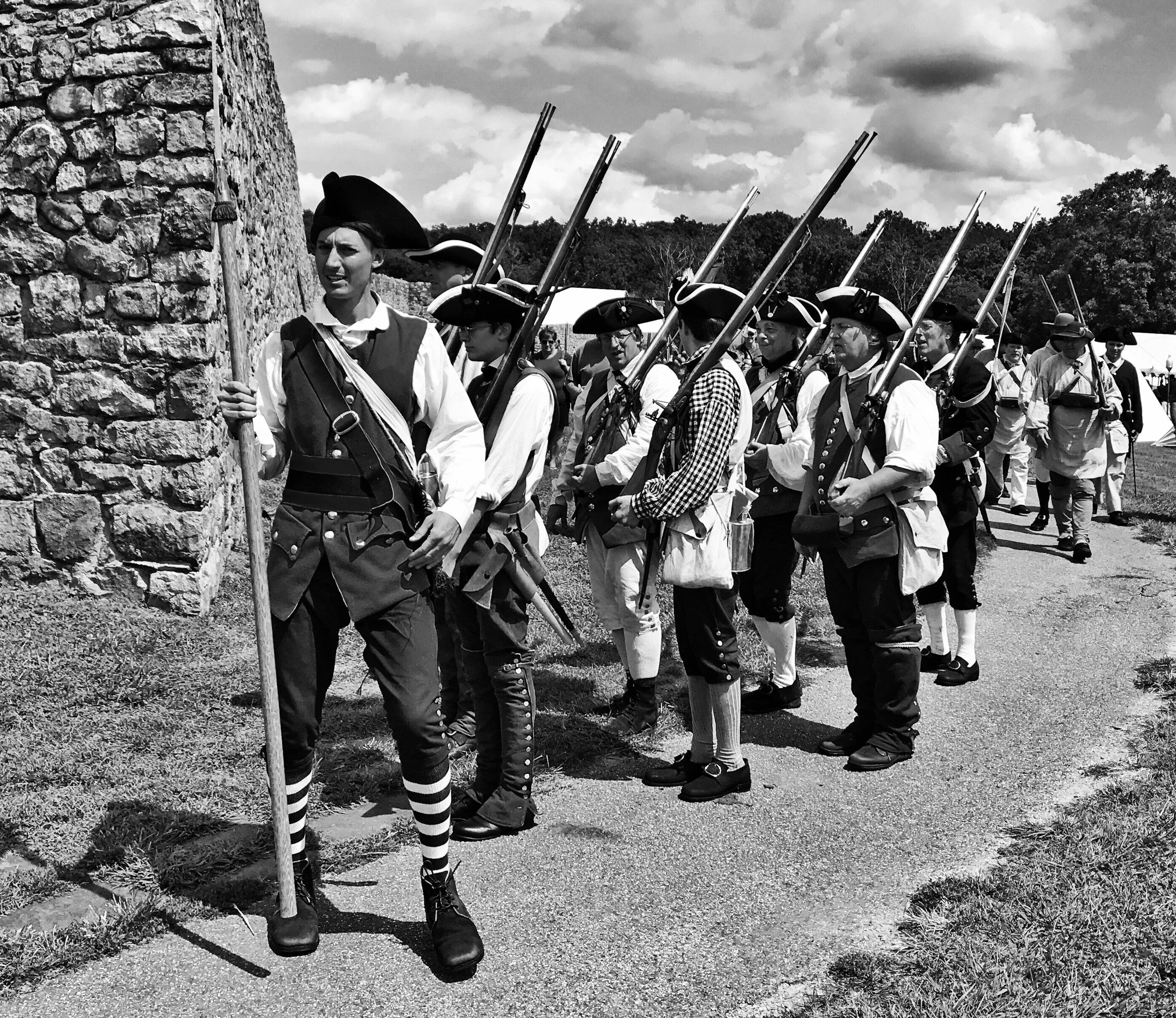
This episode explores the life and impact of Bradish Billings, one of the most influential early settlers in the Ottawa region and namesake of Billings Bridge. Born in Massachusetts in 1783, Billings moved to Upper Canada as a late loyalist and later settled on Crown land acquired through the disputed Crawford Purchase, an agreement with no surviving written treaty.
After an early failure as a lumberman, Billings married Lamira Dow and moved to what would become Junction Gore. Unable to afford land, the family squatted on an unmonitored Anglican clergy reserve, clearing forest, farming wheat, and gradually expanding their homestead. By 1820, the church discovered the occupation but offered Billings a 21‑year rent‑to‑own agreement, enabling him to formalize ownership. He further expanded by purchasing 200 acres in Nepean Township, which he rented out for profit rather than farming himself. For references, click here. Image courtesy Wikipedia.
Episode 24: Peter Aylin – King of the Shiners
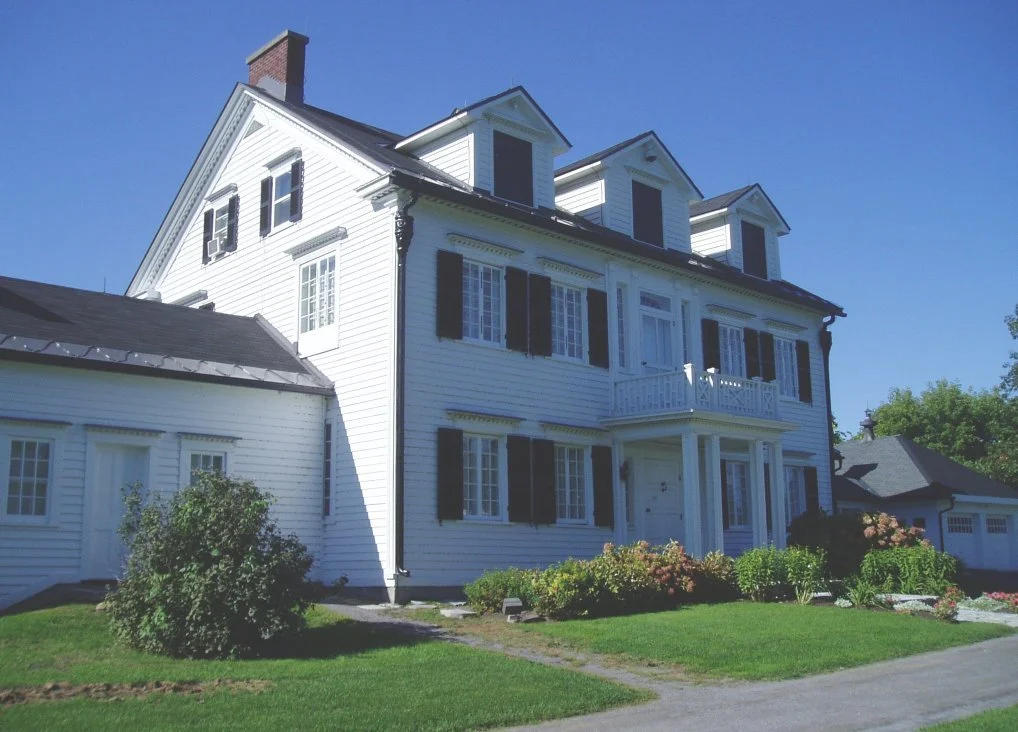
This episode examines the rise of the Shiners, an Irish-dominated criminal gang led by Peter Aylin Following the completion of the Rideau Canal in 1832, thousands of unemployed Irish labourers were left desperate for work. Aylin exploited this situation by hiring Irish lumbermen and forging a tight, aggressive group called the Shiners.
As state institutions were weak and under-resourced, the Shiners filled the power vacuum, operating as a parallel authority through piracy, extortion, intimidation, and control of key infrastructure bridges. Their violence particularly targeted French businesses and workers.
Aylin and his followers eventually extended their influence into civic institutions through intimidation and election rigging, culminating in attempted murder of a newspaper editor. Public outrage led to arrests and armed resistance against the Shiners, marking the collapse of their power in Bytown. Picture © 2018, James Powell, for more references, click here.
Episode 25: Le Chanson de Big Joe
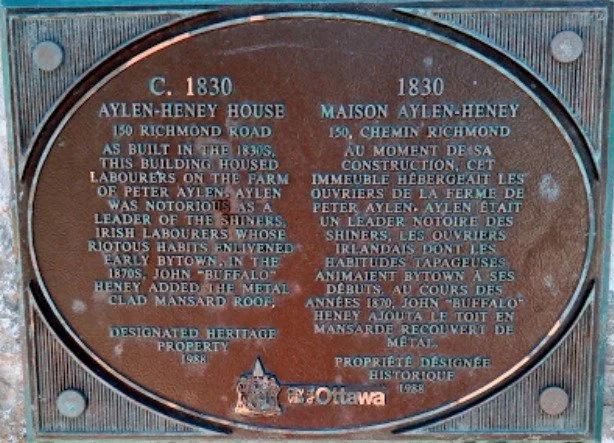
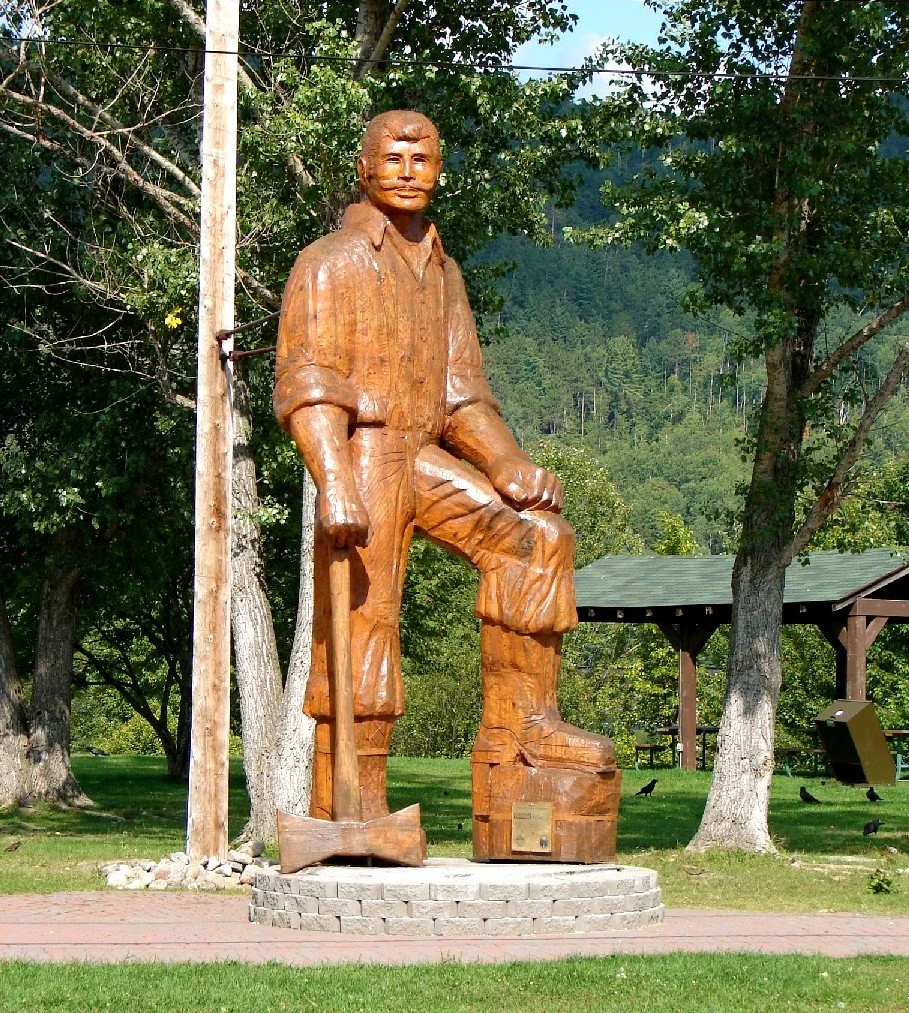
In this episode of the Ottawa History Hub Podcast we explore the life and legend of Big Joe Mufferaw, born Joseph Favre dit Montferrand in 1805. A real historical figure, Montferrand became renowned in 19th‑century Montreal and the Ottawa Valley for his immense strength, boxing prowess, and role as a defender of French Canadians during the lumber era. Over time, his exploits were heavily mythologized, blending fact with folklore. The episode distinguishes between the documented man and the exaggerated legend, tracing his cultural legacy through songs, monuments, stamps, and his lasting place in Canadian folklore. For references, check here. Image courtesy Wiki Commons.
Episode 26: Bytown in the Time of Cholera
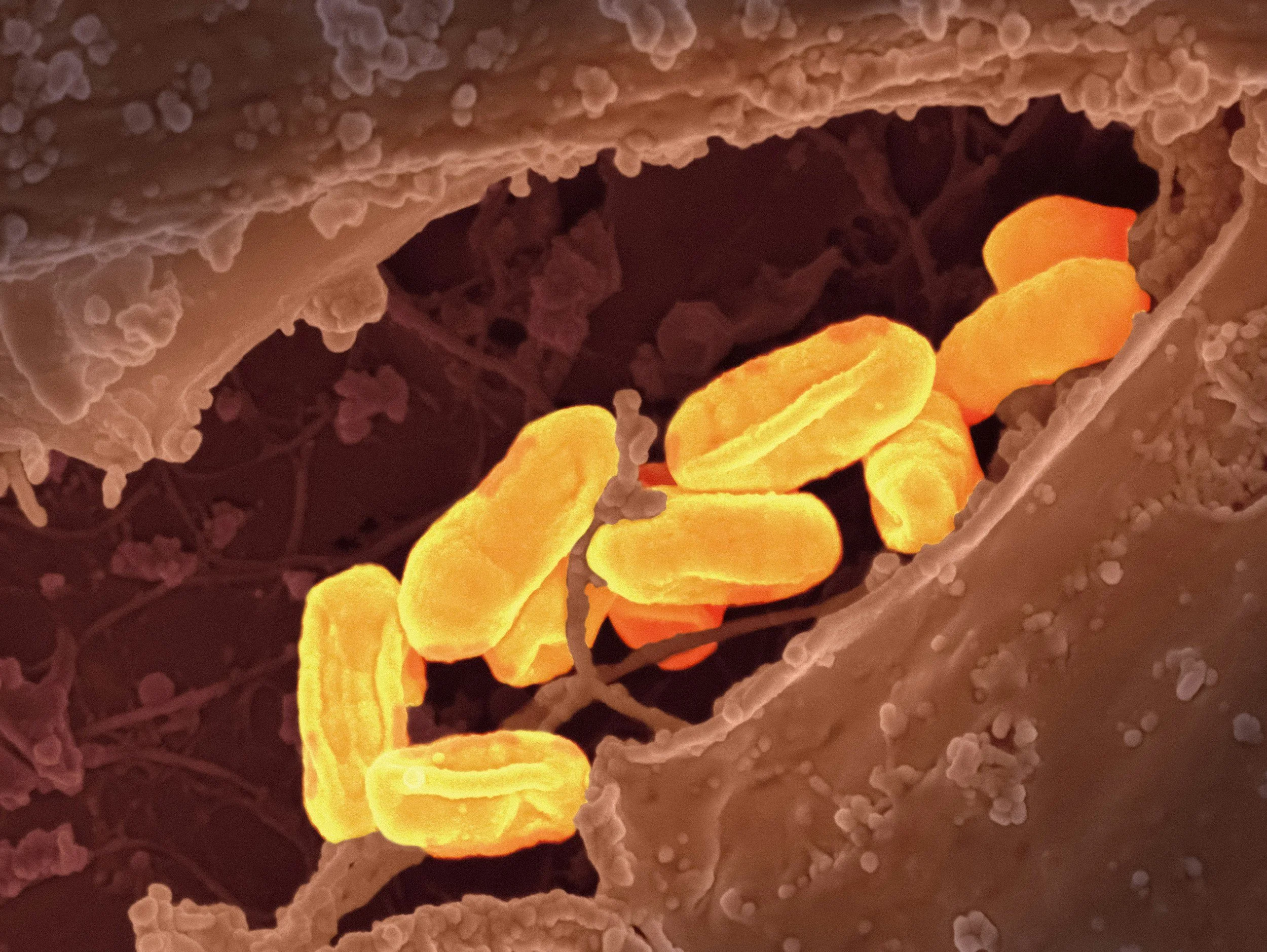
This episode explores how the global cholera pandemic of 1832-1837 spread to Bytown, exposing the town’s poor sanitation and limited medical knowledge. We look at local outbreaks, quarantine efforts, the role of Dr. A.J. Christie and the Board of Health, and the impact on Lowertown’s immigrant communities. The story highlights how contaminated water, overcrowding, and inadequate public health infrastructure fueled disease, while early sanitation measures helped reduce its spread. For resources, check here.
Episode 27: A Return to the Valley
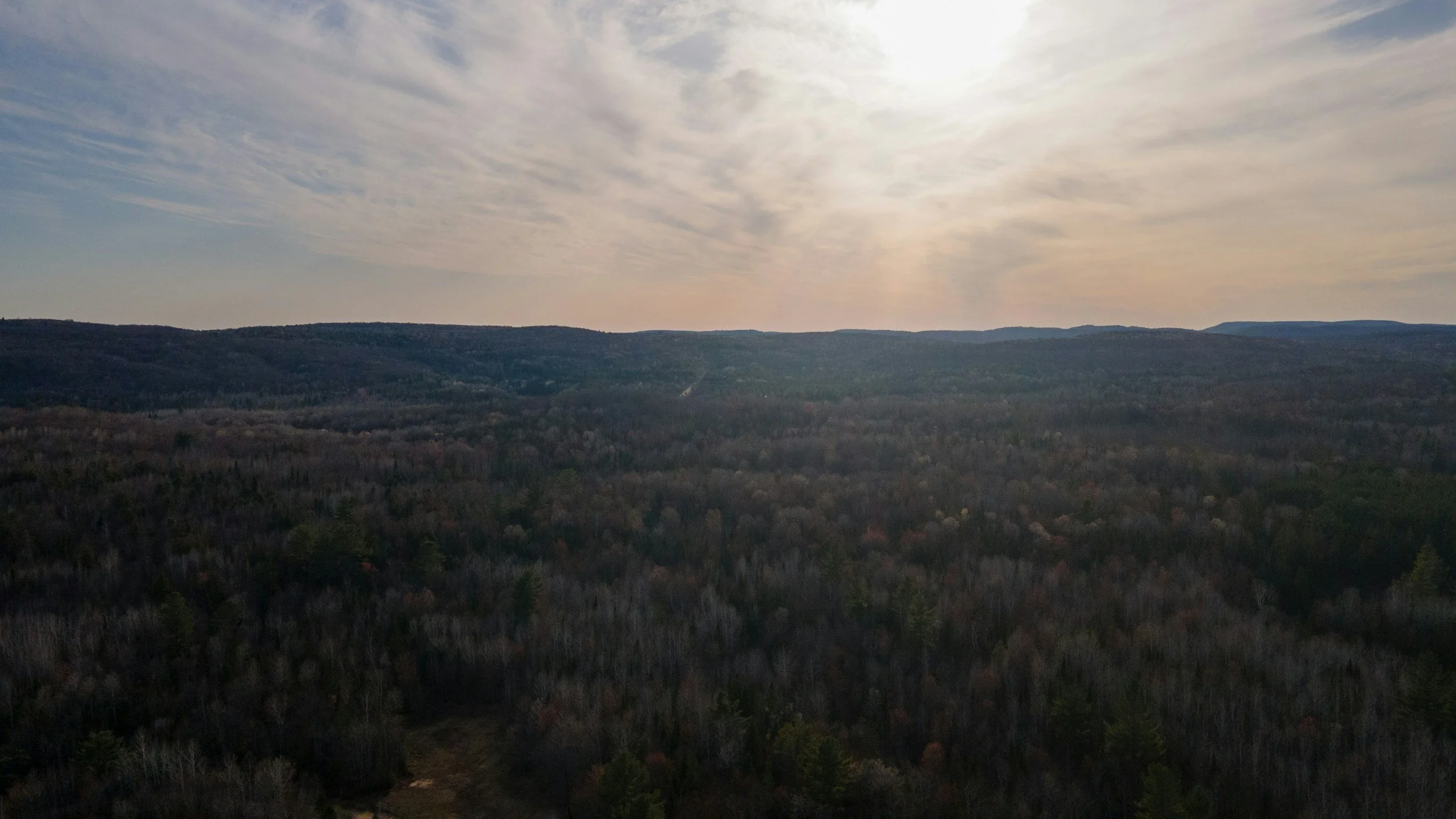
Today, we explore the early Ottawa Valley as a network of interconnected settlements whose economies, transportation routes, and resources shaped the growth of Bytown. We look at the geographic extent of the Ottawa region, the role of communities along the Rideau and Ottawa rivers, and the influence of some prominent citizens. The episode highlights patterns of settlement, trade, deforestation, Indigenous displacement, and regional development, while comparing the prosperity of Wrightstown with the emerging momentum that eventually allowed Bytown to become the dominant urban centre of the region. See references here.
Episode 28: The End of Slavery
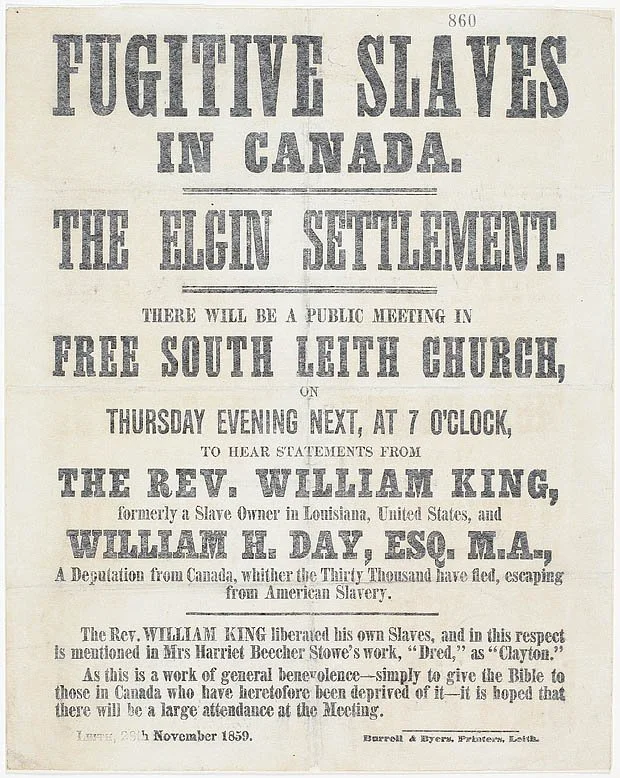
This episode explores the history of slavery in Upper and Lower Canada and the long, gradual process that led to its abolition across the British Empire. It introduces some of the individuals connected to the Ottawa Valley, examines the legal and social realities of slavery in Canada, and traces key anti-slavery reforms from the 1790s to 1834. We also reflects on how this history is remembered today through local place names, monuments, and public memory. For references, see here. Image courtesy of the Canadian Encyclopedia.
Episode 29: 1837 et tout ça
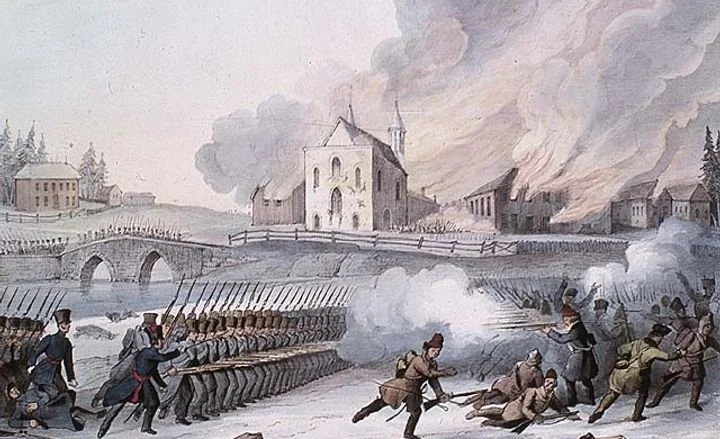
This episode looks at the Lower Canada Rebellion of 1837 and the growing frustration with the colonial government that led to it. We meet Louis-Joseph Papineau and the Patriote movement as political disputes turned into armed resistance. Along the way, we’ll learn about the key battles of Saint-Denis, Saint-Charles, and Saint-Eustache, the roles played by both rebel and Crown forces, and the failed follow-up uprising in 1838. Although little of the action happened in Bytown itself, the rebellion had a major impact on politics in the Canadas and helped shape the region’s future. See the references here. Picture via the Canadian Encyclopedia, and the Archives of Canada.
Episode 30: 1837 and all That
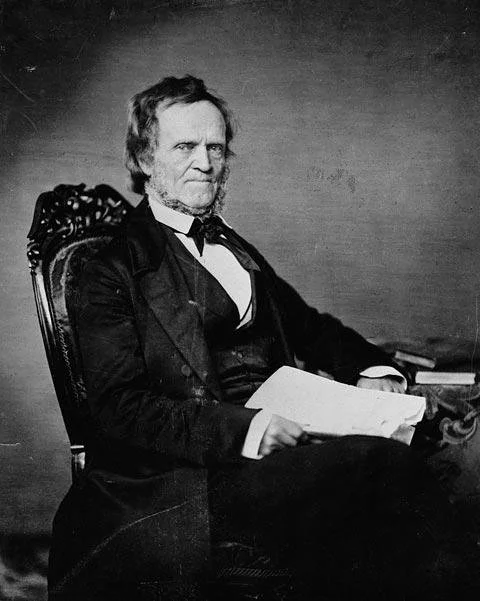
Let’s compare this to last week’s, but in Upper Canada, showing how frustrations with the powerful Family Compact, economic troubles, and demands for political reform pushed some settlers toward open revolt. William Lyon Mackenzie and his supporters go from the failed uprising at Montgomery’s Tavern to the short-lived “Republic of Canada” on Navy Island. Along the way, we explore the complicated relationship between the Canadas and the United States, and how the rebellion helped drive later political reforms. See references here.